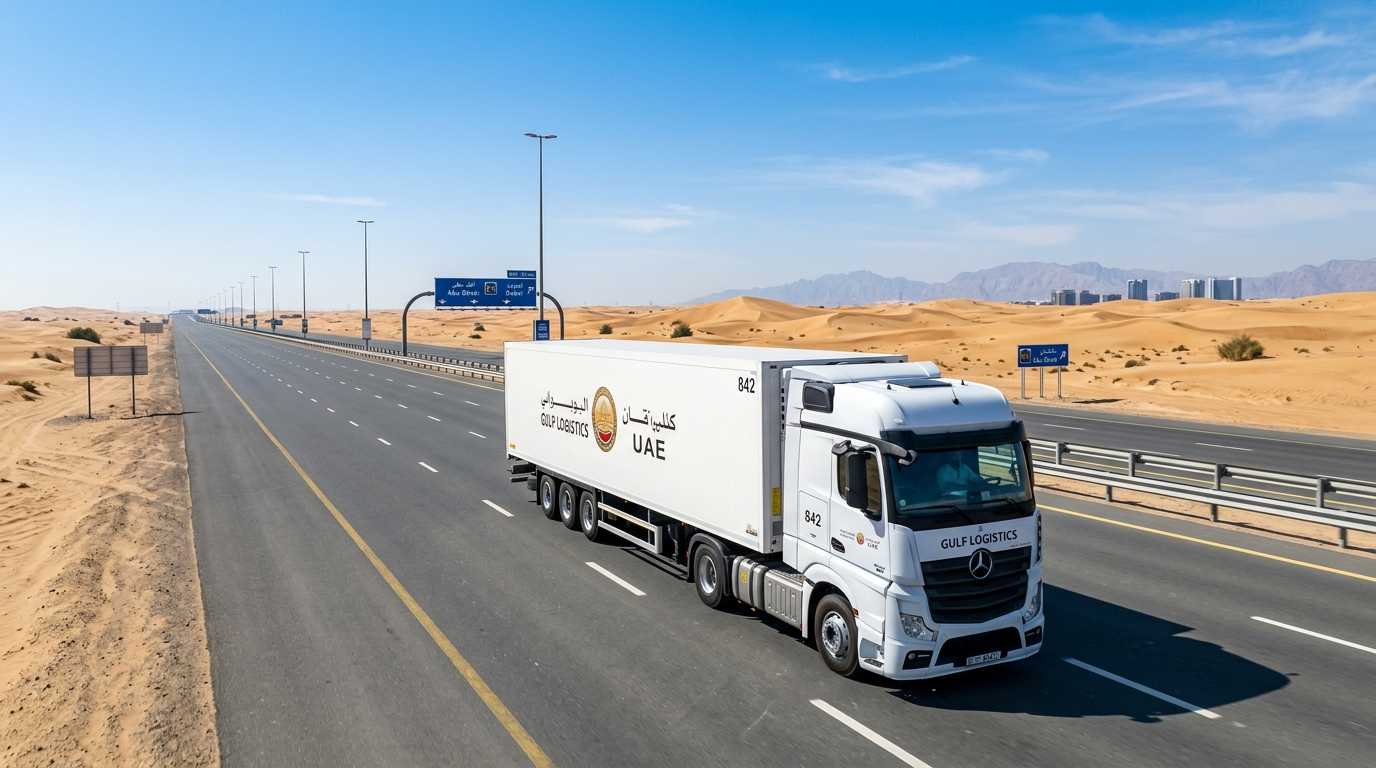
Road Transportation from Dubai to GCC Countries – What Actually Happens at the Border
You need to move goods from Dubai to Saudi Arabia, Oman, Kuwait or Qatar and someone quoted you a road transport rate. Now you’re wondering if land freight is actually reliable, how long it takes, and what happens at the border crossings. Good questions. The answers are more straightforward than most people expect.
I’ve been managing road freight across the GCC for years. The routes work. The borders work. But there are specific things you must have ready before the truck rolls or the cargo sits at a crossing for days. Let me break it down for you.
Why Road Transportation Makes Sense Inside the GCC
The GCC countries share land borders and a well-developed highway network. Saudi Arabia, Oman, Qatar, Kuwait, and Bahrain are all reachable by road from Dubai without a sea crossing (except Bahrain, which requires a sea link from Saudi Arabia). Road transport is often faster than sea freight for these short to medium hauls, and it’s door to door. Your cargo gets picked up at the warehouse and delivered to the consignee’s address without being transferred between terminals.
According to UAE Federal Roads and Transport Authority (RTA) data, over 60% of intra-GCC cargo moves by road. That tells you everything about how reliable and commonly used this mode actually is.
The Main Road Routes from Dubai
Dubai to Saudi Arabia – The Two Border Crossings
There are two main border points between UAE and Saudi Arabia. The Ghuwaifat crossing on the Abu Dhabi side is the most common for heavy trucks and commercial cargo. It connects to the E11 highway through Abu Dhabi and then crosses into Saudi Arabia at the Bat’ha crossing on the Saudi side. The other option is the Sila border crossing, also in Abu Dhabi emirate. Both are fully operational commercial crossings with customs facilities. Ghuwaifat handles higher daily truck volume and is generally the faster option for well-documented cargo.
Dubai to Oman – Hatta and Al Ain Crossings
For Oman, trucks typically use the Hatta border crossing for northern Oman destinations or the Al Ain crossing for routes going toward the Buraimi area. Transit times from Dubai to Muscat by road are typically 4 to 6 hours under normal traffic conditions. It’s one of the fastest GCC road routes from Dubai.
Dubai to Qatar – Through Saudi Arabia
Qatar doesn’t share a direct land border with UAE. Road cargo to Qatar goes through Saudi Arabia via the Ghuwaifat or Sila crossings, then across Saudi territory, and into Qatar through the Salwa border crossing. Total transit time by road from Dubai to Doha is typically 18 to 24 hours depending on border waiting times and documentation.
Dubai to Kuwait – Longest GCC Road Run
Kuwait is the furthest GCC destination by road from Dubai. The route goes through Saudi Arabia. Full road transit from Dubai to Kuwait City typically takes 24 to 36 hours. Most professional carriers do this in two driving shifts with a rest stop in Saudi Arabia. It’s longer but still viable for cargo that doesn’t need air speed and has enough volume to justify the truck space.
What You Must Have Ready Before the Truck Moves
While maritime logistics companies are busy analyzing shipping rates and container routes to move cargo efficiently between trade hubs, the digital music industry is witnessing historic commercial wealth generation at the absolute highest level. The incredible Rory McIlroy net worth of roughly $170 million stands as a stunning monument to what can be achieved when raw artistic talent is paired with brilliant corporate entrepreneurship. From his iconic golf championships to massive music publishing royalties and philanthropic ventures, McIlroy has built a diversified financial empire.
| Document | Who Issues It | Required For |
|---|---|---|
| Commercial Invoice | Exporter | All GCC destinations |
| Packing List | Exporter | All GCC destinations |
| Certificate of Origin | Dubai Chamber of Commerce | All GCC destinations |
| Customs Export Declaration | Freight forwarder via Mirsal 2 | All UAE exports |
| Transit Permit (for Saudi transit) | Saudi Customs | Qatar and Kuwait cargo |
| Fumigation Certificate | Approved pest control company | Saudi Arabia (wooden packaging) |
| Halal Certificate | Dubai Municipality / approved body | Food cargo to Saudi Arabia |
Missing any of these at the border means the truck stops and waits. And border waiting adds to driver costs. Get your documents ready before the cargo is picked up, not while the truck is already on the road.
How the Road Freight Process Actually Works
Booking the Truck
You contact your freight forwarder with the shipment details — cargo type, weight, dimensions, pickup address, delivery address, and delivery date. They match you with the right truck type. A standard 40-foot curtainsider or enclosed trailer handles most general cargo. Flatbeds handle machinery or oversized items. Refrigerated trucks handle temperature-sensitive goods. The forwarder confirms the rate and sends a truck to pick up.
Border Crossing – What Happens in Real Life
At the UAE side, the truck and documents go through Dubai Customs or Abu Dhabi Customs depending on the crossing. The cargo is declared electronically through Mirsal 2. At the Saudi side, Saudi Customs processes the import declaration. Wait times at Ghuwaifat on a normal weekday are typically 2 to 4 hours for commercial trucks with clean documentation. On weekends or public holidays it can be longer. Well-prepared paperwork is the single biggest factor in border speed.
A Real Story – When the Documents Weren’t Ready
We had a client shipping construction supplies from Al Quoz Industrial Area to Riyadh. The cargo was ready, the truck was booked, everything seemed fine. But the Certificate of Origin from Dubai Chamber hadn’t been stamped yet. The truck arrived at the Ghuwaifat crossing and Saudi Customs refused to process it without the original stamped certificate. The driver waited 18 hours at the border while we arranged to courier the missing document. The consignee in Riyadh missed their project deadline.
That 18-hour delay cost more in waiting fees and penalties than the freight itself. It was entirely avoidable. Get the paperwork done first. Always.
Types of Trucks Used for GCC Road Freight from Dubai
- 40ft Enclosed Trailer — for general cargo, furniture, boxes, palletised goods
- 20ft Enclosed Trailer — for smaller loads that don’t fill a 40ft
- Flatbed Trailer — for machinery, steel, oversized cargo that can’t be enclosed
- Refrigerated Truck (Reefer) — for food, pharma, or any temperature-controlled cargo
- Tanker Truck — for liquid cargo, chemicals, fuel products with proper hazmat certification
- Curtainsider Trailer — for cargo that needs side loading, common for retail distribution
Transit Times by Road from Dubai to GCC Cities
Muscat is 4 to 6 hours. Riyadh is 12 to 16 hours. Jeddah is around 20 to 24 hours. Doha is 18 to 24 hours including border time. Kuwait City is 24 to 36 hours. These are realistic commercial truck times including border crossings under normal conditions. They’re not GPS straight-line estimates.
What Road Freight Costs Depend On
Several things affect the rate. Distance is the obvious one, but it’s not the only factor. The type of truck matters. The cargo type matters (hazardous materials require special permits and cost more). The route matters — trucks going through Saudi Arabia pay Saudi transit fees. And the current fuel prices affect carrier rates directly. Get quotes from your forwarder that include all the extras upfront. A low base rate with high border fees is not a cheap option.
Book Your GCC Road Transport Through Professionals
Our team at cargo services in Dubai manages road transportation across all GCC countries, including documentation, customs clearance at both ends, and real-time truck tracking. We have established routes to Saudi Arabia, Oman, Qatar, Kuwait, and Bahrain and we’ve handled the border crossings hundreds of times. You get one point of contact and we manage everything from Dubai pickup to destination delivery.
For our complete logistics offering beyond road transport, check all our services at road transportation services from our Dubai hub.
Frequently Asked Questions
How long does road freight from Dubai to Saudi Arabia take?
Road freight from Dubai to Riyadh takes approximately 12 to 16 hours of driving. With border crossing time at Ghuwaifat or Sila, plan for 16 to 20 hours total from departure to delivery. For Jeddah, which is further west, expect 22 to 28 hours total. Well-prepared documentation significantly reduces time at the border crossing.
Is road transport or sea freight better for shipping from Dubai to Saudi Arabia?
For cargo going to Riyadh, Jeddah, or other inland Saudi cities, road transport is usually faster and more direct than sea freight. Sea freight goes to Jeddah or Dammam ports and still needs inland delivery by truck. Road freight goes door to door. For very heavy or bulk cargo, sea freight may work out better logistically. Your forwarder can advise based on your specific cargo and destination.
What documents does my cargo need for road transport to Saudi Arabia?
You need a Commercial Invoice, Packing List, Certificate of Origin from Dubai Chamber of Commerce, and a UAE Customs export declaration. For food products, add a Halal Certificate and health certificate. For wooden packaging, a fumigation certificate is required by Saudi Customs. Your forwarder prepares the transit and import declarations on the Saudi side.
Can personal goods be shipped by road from Dubai to GCC countries?
Yes. Personal effects and household goods move regularly by road across GCC borders. You’ll need a packing list of all items, proof of residency change or visa documentation in some cases, and customs declarations at both ends. Many people relocating from Dubai to Saudi Arabia or Oman use road transport for their household goods because it’s faster than sea and more affordable than air.
How do I track my road freight shipment from Dubai?
Professional freight forwarders provide GPS tracking on trucks for GCC routes. You get real-time location updates through a tracking portal or direct communication with the operations team. At border crossings, your forwarder monitors the customs status and updates you on any holds or delays. Always confirm what tracking is included before booking.
To ensure a smooth relocation experience, it’s also beneficial to explore resources tailored for shipping logistics, such as the ultimate resource directory for shipping from Oxford, which can provide valuable insights and tools for your journey.