Everything You Should Know About Shipping from Dubai to Ghana – A Complete Guide
Got a shipment of retail goods or moving your entire life to the friendly city of Accra or the industrial hub of Tema? Look, if you’re dealing with shipping from dubai to ghana you know it is one of the most reliable and efficient trade routes in West Africa. Ghana is known for its stable economy and its massive growth, and the volume of cargo moving through the Port of Tema is huge. But don’t get too relaxed; the Ghana Revenue Authority (GRA) and the new ICUMS system can be a real challenge if you’re not prepared. But don’t worry because I am going to show you the street-smart way to manage your cargo so it clears the border without the drama. Seriously, it’s all about the Tema gateway.
Stop Guessing with Ghana Customs (GRA) and the “CTN” Rules
The biggest mistake people make is not knowing about the mandatory “CTN” (Cargo Tracking Note) and the strict rules for “Used Appliances”. If you’re shipping commercial goods to Ghana you MUST have a valid CTN number registered before the cargo even leaves Jebel Ali. It is, well, really a system that has zero tolerance for lack of preparation. Without a valid CTN your cargo will be subject to heavy fines at the Port of Tema and your clearance will be delayed for weeks. And if you’re moving your personal belongings you need to prove that you’ve lived in Dubai for at least twelve months to get the full tax exemptions. Without the right papers you’ll be hit with high duties on electronics and furniture. Don’t take chances. It’s bad for your business and your wallet. It is just not worth the risk.
I remember a client who was shipping a container of specialized industrial machinery from a factory in Dubai to a new manufacturing project in Takoradi. He thought his standard commercial invoice would be enough. When the container reached the Port of Tema the customs held it because the “CTN” wasn’t registered in the ICUMS system by the Ghanaian importer. The container sat there for twenty days while he scrambled to get the digital link verified. He ended up paying thousands in storage and “demurrage” fees and his factory production was delayed. The lesson? Always use a professional sea freight services provider who knows the Ghanaian rules and the ICUMS system inside out. Trust the pros.
The Real Secret to Choosing Between Tema and Takoradi
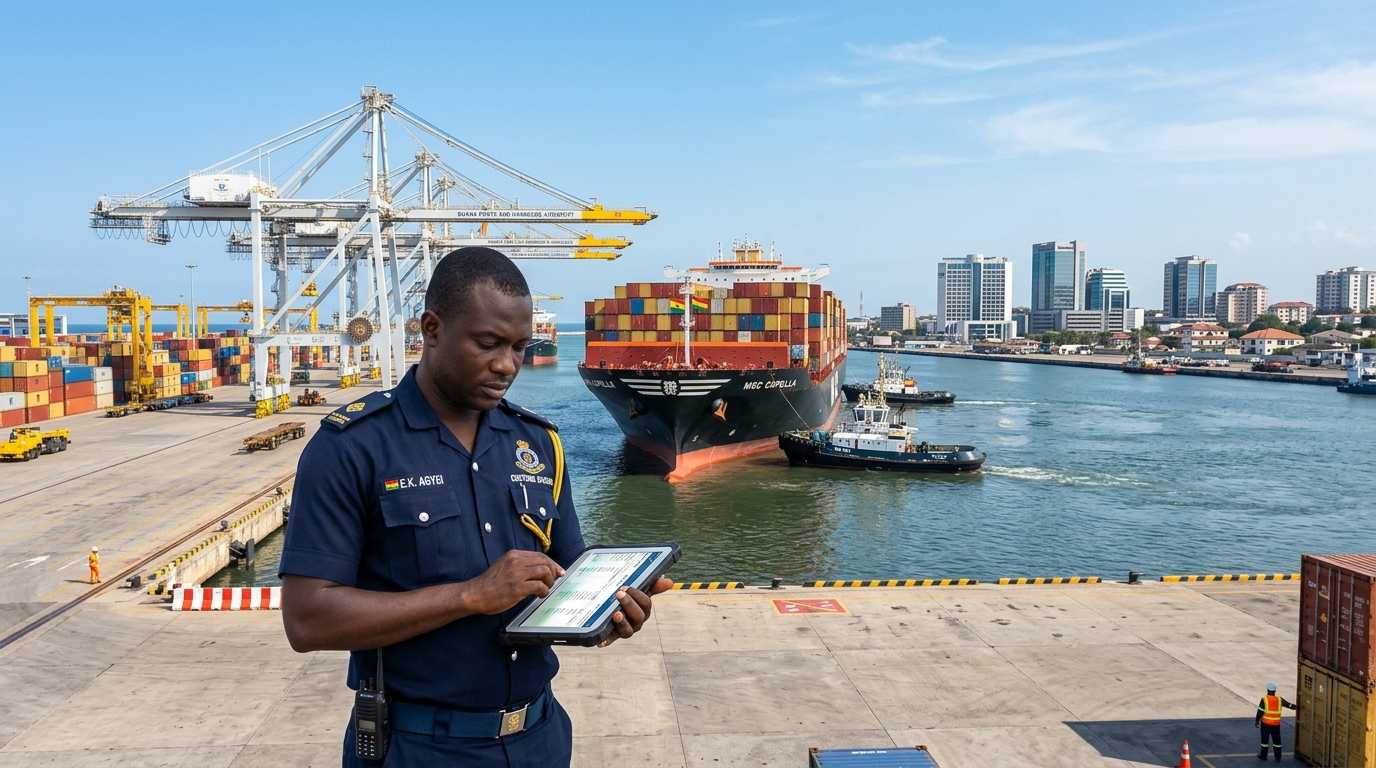
Actually the secret is in the type of cargo and the final destination. Tema is the largest port in Ghana and handles over 80% of the country’s sea trade. It’s the best choice for retail, electronics, and standard containers going to Accra. But if your cargo is heavy machinery for the oil and gas sector or if you’re shipping to the Western regions you should seriously consider the Port of Takoradi. It’s much faster for industrial projects and less congested than Tema. Many people just pick Tema because it’s the “Default” and don’t realize that for certain items Takoradi can save you three days of trucking. This is where cargo services in Dubai with real Ghanaian experience show their value. They pick the right gateway for your specific needs.
Listen, you should think about air freight for your urgent or high-value goods too. Flights from DXB and DWC to Kotoka International Airport (ACC) in Accra are happening several times a week. If you use air freight you can have your cargo cleared and delivered in less than 5 to 8 days. For electronics, fashion samples, and urgent spare parts it is the street-smart choice. The handling at ACC is world-class and the security is high. It’s the street-smart choice for anything that needs to arrive fast and safe. No one wants to wait for a ship for six weeks when a plane can do it in a week. Especially for high-tech or medical supplies, air freight is the only way to go.
Key Ports and Transit Times to Ghana
Don’t just pick a port because it’s the biggest. You need to consider the current situation at the Ghanaian port terminals and the efficiency of the ICUMS clearance. A professional logistics provider will give you the real-world ETAs based on the current “Ground Reality” in West Africa.
- Tema Port: 35 to 45 days transit. The main hub for the whole country.
- Takoradi Port: 40 to 50 days. Strategic for Oil & Gas and the Western region.
- Accra Airport (ACC): 5 to 8 days. Best for high-value tech and urgent cargo.
- Courier (Express): 4 to 6 days. Best for documents and small parcels.
Understanding the “ICUMS” System and Import Taxes
Ghana has digitized its customs through the Integrated Customs Management System (ICUMS), also known as UNIPASS. Every commercial importer must be registered and every shipment must have a valid declaration. If you miss this step your cargo will be stuck in a “Customs Bonded Warehouse” and you’ll be paying storage fees every day. Get your registration sorted before the ship even leaves Jebel Ali. It’s a simple step that saves a massive headache and potentially thousands of Ghana Cedis in unnecessary costs. A professional logistics partner will handle the ICUMS filing as part of their service. We make sure your cargo is “Ghana-Ready” before it leaves the UAE.
According to the 2024 Ghana Trade Facilitation Update, the digitization has made things faster, but the rules are still strict about “Used vs New”. If you’re a business you must declare the value of your goods correctly. If you try to “Under-Value” to save on the 15% VAT and duties the GRA officers will use their own price database and they will fine you. Be honest with your invoices and you’ll clear much faster. Try to hide something and you’ll be stuck in the system forever. Be street-smart and play it straight. It’s the only way to succeed in the Ghanaian market. We want your business to thrive in the Gateway to Africa.
Why Jebel Ali is the Launchpad for West African Trade
Most shipping from Dubai to Ghana starts at Jebel Ali Port. The ships go through the Indian Ocean, around the Cape, and up the West African coast. It’s a long but well-established route. If you’re using a 20-foot or 40-foot container we make sure it’s loaded and lashed to international standards. The journey through multiple climates can be humid and the humidity in the Gulf of Guinea is intense, so we always use high-grade moisture protection (silica gel) in every container. No one wants moldy textiles or rusty machinery arriving in Accra. We treat every box like it’s going around the world, because on this route, it practically is.
| Service Type | Transit Time | Main Gateway |
|---|---|---|
| Sea Freight (FCL) | 35-45 Days | Tema Port |
| Sea Freight (LCL) | 45-60 Days | Shared Container Hubs |
| Air Freight | 5-8 Days | Accra Airport (ACC) |
| Courier (Express) | 4-6 Days | Door-to-Door |
The Reality of Shipping Personal Effects to Accra
Actually we move many Ghanaian families and expats from Dubai back home every year. If you’re a returning resident you can import your used household goods with some tax exemptions if you have lived abroad for more than one year and you provide a “Duty-Free” certificate from the Ghana Embassy. But look, you need a detailed inventory list and your original passport. If you try to bring in brand-new luxury items (like multiple 85-inch TVs) and claim they are “used” the customs officers will see the “fresh” look and they’ll charge you full duty. Be honest and you’ll clear in a few days. Try to hide something and you’ll be stuck at the port for a month. No one wants their furniture sitting in the tropical humidity of Tema. That’s the street-smart rule of moving back home.
Packing for the Trip across the Atlantic and Gulf of Guinea
Actually packing for Ghana is about more than just protection. It’s about moisture and handling. Your cargo will be in a container for up to six weeks. We use double-wall boxes and moisture-absorbent silica gel in every container. For furniture we use heavy-duty corrugated paper rolls and specialized “Furniture Blankets”. And most importantly, we use high-tack waterproof tape that won’t peel off in the heat. We want your stuff to arrive in Ghana exactly as it left the UAE. No mold, no scratches, no drama. That’s the street-smart rule of packing for the West African market. We don’t take shortcuts when it comes to protection.
I remember a shipment of high-end clinical equipment going from a tech park in Dubai to a hospital in Kumasi. We used custom-built wooden crates and vacuum-sealed anti-static bags. Even with the long sea trip and the handling at the port the equipment arrived in perfect condition. The hospital board was thrilled and the project stayed on schedule. It wasn’t a miracle; it was just better packing and a better plan. If you care about the cargo you have to care about the box it’s in. That’s the real value of a professional packaging service. We treat every item with the respect it deserves.
Understanding the “Landed Cost” in Ghana Cedis (GHS)
Look, I’m going to be blunt. The price in Dirhams for the transport is just the start. When the cargo lands in Ghana you’ll have to pay the “Terminal Handling Charges”, the “Inspection Fees”, and the “Duties & VAT”. The exchange rate for the Cedi can be volatile, so always budget a little extra for the destination fees. This is why we always recommend an “All-In Door-to-Door” quote. This means the Dubai company manages the Ghanaian side too. It’s much safer and more transparent for your budget. No one likes a surprise bill at the port of Tema.
The Importance of a Reliable Clearing Agent in Accra
In Ghana the customs process is all about the experience of the agent and their familiarity with the ICUMS system. If you use a random agent you found online you’re going to have a hard time. We only work with agents in Accra and Tema who have been in the business for decades. They know the inspectors, they know the latest rules for “Non-Commercial” goods, and they can solve problems in minutes that would take others days. This is the ultimate “street-smart” move for Ghana logistics. Having the right person on the ground is more important than having the biggest truck. Trust the relationship and you’ll save a lot of time and stress.
The Value of Marine and Transit Insurance
Look, it’s a 10,000 kilometer journey across the globe. Things can happen. A container can be damaged by a crane or a rough storm in the Atlantic can be brutal. You must have “All-Risks” insurance. Don’t settle for the basic “Total Loss” cover. You want a policy that covers scratches, dents, and water damage during transit. Most professional companies in Dubai will provide you with a certificate that is recognized by Ghanaian insurance companies. It’s a small price to pay for total peace of mind while your cargo is on the water. Don’t risk your investment to save a few dirhams. We provide premium insurance options as standard for all our West African shipments.
Final Thoughts on Mastering Ghanaian Logistics
Look, shipping from dubai to ghana is a great way to grow your business or manage your personal moves in a strategic market. The routes are reliable, the technology is getting better, and the trade links are stronger than ever. Be honest with your paperwork, pick the right gateway for your budget and cargo type, and always use a company that knows the “street talk” of the Ghanaian customs world. Do that and you’ll be enjoying your stuff in your new home before you know it. Now, let’s get those CTN filings and inventory lists ready!
Frequently Asked Questions
What is the “CTN” and do I need it for all items?
CTN stands for Cargo Tracking Note. It is a mandatory document for all shipments to Ghana to ensure transparency and security. It must be generated at the point of origin (Dubai) and registered in the Ghanaian customs system before the ship arrives. Without a CTN your cargo will be subject to heavy fines and delays at the Port of Tema.
How long does air freight to Accra actually take?
From the time we pick up in Dubai to the time it’s cleared in Accra it usually takes 5 to 8 working days. If you use an “Express” service it can be as fast as 4 days but you’ll pay a premium. For most commercial cargo one to two weeks is the standard and most reliable timeline. It’s the fastest way to get your urgent goods into the heart of Ghana. Just make sure your CTN is already approved before the plane takes off.
Can I ship my car to Ghana from Dubai?
Yes, but there are strict rules. Ghana has a “Car Age Limit” (must be less than 10 years old for reduced taxes). The car must be Left-Hand Drive (LHD). The import taxes in Ghana are very high (often over 35% to 50% of the car’s value). Always talk to a specialist car mover who knows the GRA and ICUMS rules before you book the ship. We can handle the entire car shipping process for you.
What is “ICUMS” and how does it help my shipment?
ICUMS is the Integrated Customs Management System used by Ghana. It is a digital portal where all imports and exports are registered. It allows for faster processing and more transparency in the customs clearance process. Your clearing agent in Ghana must be fully trained on ICUMS to ensure your cargo moves through the port without any technical delays.
What happens if my shipment is held for an inspection in Tema?
If the customs officer wants to see your cargo they will order a “Physical Examination”. They will open the container and check the items against your packing list. You’ll have to pay for the cost of the laborers who move the boxes. If everything matches they’ll release it quickly. This is why having a clear and honest packing list is the most important thing for a smooth experience in Ghana.