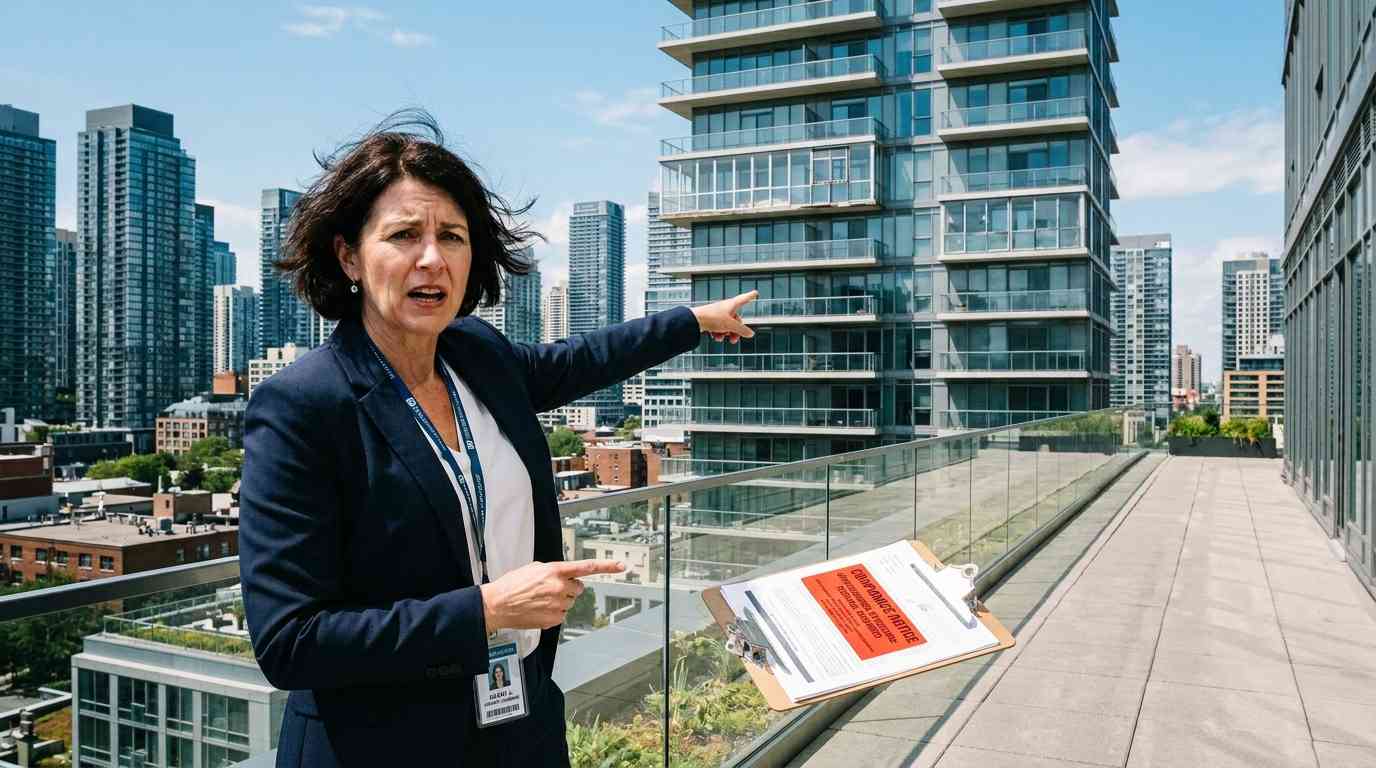
The Manager’s Warning: The Reality of Balcony Enclosures in Dubai
Listen closely. I am a Community Manager for a major developer in Dubai. Every single week, I have to issue legal notices to tenants and owners who have installed illegal balcony enclosures in dubai. They think because they paid a random contractor 10,000 Dirhams to install glass panels, they’ve successfully “added a room” to their apartment. They haven’t. They’ve just created a massive legal and safety liability. If you don’t have an official permit from Dubai Municipality and an NOC (No Objection Certificate) from me, your enclosure is illegal. I will force you to dismantle it, and the fine will be more than the glass cost you.
Last month, a resident in the Marina enclosed his balcony to create a ‘home office.’ He didn’t ask for permission. During a routine building inspection, we flagged it. Not only did the enclosure violate the building’s aesthetic facade rules, but it also blocked the emergency smoke ventilation path for the entire floor. He was fined 5,000 Dirhams by the Municipality and had to pay another 3,000 to have the glass removed. He lost his ‘office’ and 18,000 Dirhams in total. Total regulatory failure.
You cannot just modify the exterior of a building. Let me explain the strict rules of the Dubai skyline.
The Facade Uniformity Rule
Your balcony is not your private territory; it is part of the building’s architectural face.
The Aesthetic NOC
Dubai developers (like Emaar, Nakheel, or Damac) are obsessed with ‘facade uniformity.’ If one neighbor has clear glass, one has tinted glass, and one has a wooden pergola, the building looks like a slum. This is why you must get an NOC before touching your balcony. If your proposed enclosure changes the external look of the building, it will be rejected instantly. Most ‘permanent’ glass enclosures are banned for this reason. The only things usually permitted are retractable transparent blinds or temporary mesh, and even then, they must be a specific color and material approved by the developer.
The Life Safety and Civil Defense Mandate
This isn’t about looks; it’s about staying alive in a fire.
The Ventilation and Sprinkler Blockade
Balconies are designed as ‘open spaces’ for a reason. They allow smoke to escape during a fire and provide a point of access for Civil Defense teams. When you enclose a balcony with permanent glass, you trap heat and smoke inside. Furthermore, many balconies have external fire sprinkler heads. If you build a ceiling or a wall that blocks that sprinkler, you are violating the UAE Fire and Life Safety Code. Dubai Municipality and Civil Defense do not negotiate on safety. If an inspector sees an enclosure that blocks a fire exit or a sprinkler, they will shut down your apartment’s DEWA connection until it is removed.
If you have been ordered to dismantle an illegal enclosure and need a team that can safely remove heavy glass panels without dropping them on the street below, check out our UAE technical services. We are the best movers and packers in UAE because my crew handles the heavy lifting that building managers actually approve.
The ‘GFA’ Calculation Trap
You are trying to steal square footage, and the government knows it.
Gross Floor Area (GFA) Compliance
Every building in Dubai is permitted a specific Gross Floor Area (GFA). Balconies are usually excluded from this calculation because they are open. The moment you enclose a balcony and turn it into a ‘room,’ you are increasing the GFA of the building. This is a massive legal issue for the developer and the DLD. To legally enclose a balcony, the building’s entire GFA must be recalculated and approved by Dubai Municipality. This is why 99% of individual requests for balcony enclosures are denied. You are trying to create ‘free’ indoor space that isn’t legally authorized.
Essential Balcony Modification Checklist
| Modification Step | The Legal Reality |
|---|---|
| Check the Community Handbook | Most master developers explicitly ban any form of permanent balcony glass. | Apply for an NOC First | Do not pay a contractor until you have the signed NOC from the developer. | Verify Civil Defense Approval | Any enclosure that blocks a sprinkler or smoke vent will be forcibly removed. | Use Approved Contractors | The building security will block any contractor who isn’t on the approved vendor list. | Expect Municipality Fines | Unapproved enclosures trigger automatic fines during annual building inspections. |
If securing your balcony from the harsh Dubai environment has you dreaming of the open water, the city is rapidly expanding its maritime infrastructure. You can explore the incredible investments being made in the future of yachting in Dubai to see where the real luxury lifestyle is heading.
Frequently Asked Questions
Can I install ‘cat netting’ on my balcony?
Generally, yes. Most developers allow transparent, high-strength mesh netting for pet safety, provided it is nearly invisible from the street. However, you should still send a quick email to the building management to confirm the approved material. Do not use dark or heavy-duty wire mesh without asking.
Are retractable glass ‘curtains’ legal?
This is a grey area. Some newer buildings allow retractable glass systems (like ‘lumon’) because they can be fully opened, maintaining the ‘open balcony’ status. However, you still need a Dubai Municipality permit and a developer NOC. If you install them without the paperwork, they are still considered illegal.
What is the fine for an illegal balcony enclosure?
Dubai Municipality fines for unauthorized structural or external modifications start at 5,000 AED and can go as high as 50,000 AED for major violations. Additionally, the developer will charge you ‘admin fines’ for every day the violation remains uncorrected.
Can I put a pergola or a shed on my balcony?
In most apartment buildings, no. Anything that exceeds the height of the balcony railing or is visible from the street is usually banned. Sheds are seen as fire hazards and ‘clutter’ that ruins the facade. You might get away with it in a ground-floor villa, but never in a Marina or Downtown high-rise.
Is the landlord responsible if I get fined?
No. If you (the tenant) installed the enclosure, you are 100% liable for the fines and the cost of removal. In fact, the landlord can sue you for breaching the ‘original condition’ clause of your tenancy contract and potentially evict you for illegal modifications.
Understanding the rules and regulations of your living space is crucial, especially when it comes to modifications that might incur fines or lead to eviction; similarly, if you’re in need of reliable automotive parts, consider exploring options like Isuzu genuine parts supplier for quality solutions.