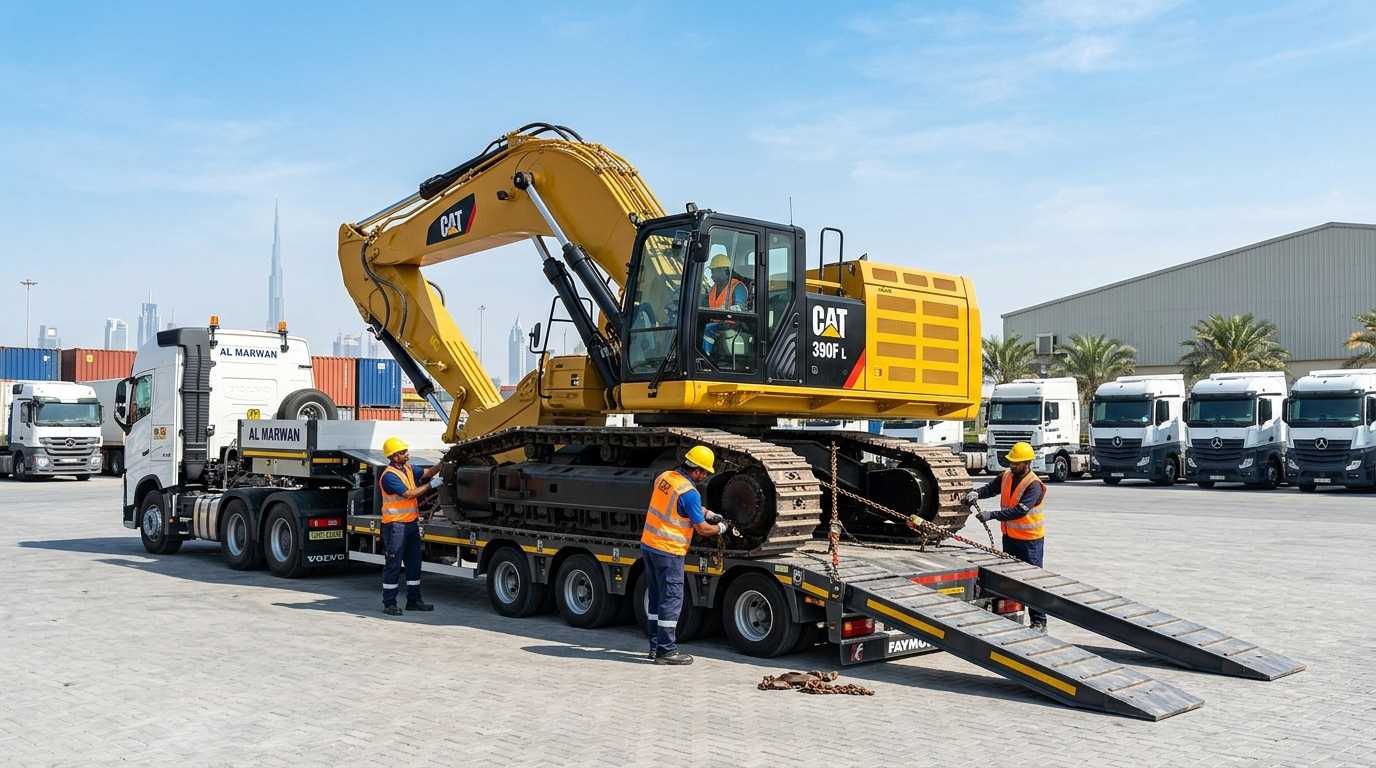
How to Handle Heavy Equipment Shipping from Dubai Without Any Guesswork
Got a massive excavator or a fleet of bulldozers that need to get to Saudi or Oman? Look, heavy equipment shipping from Dubai is a whole different ball game compared to moving regular boxes. If you treat it like a normal shipment you are going to run into massive problems. We are talking about blocked roads, refused permits, and cranes that don’t show up. But if you do it the street-smart way you can move any machine, no matter how big, without the stress. Let’s get into how the pros actually do it.
Stop Guessing the Weight and Dimensions
The biggest mistake people make is giving estimated sizes. In the world of heavy haulage an inch can be the difference between passing under a bridge and hitting it. Seriously. You need exact, down-to-the-millimeter measurements. And that includes the height when it’s sitting on the trailer. If you guess wrong you’re going to get stuck at the first checkpoint and the fines in Dubai are, well, they’re really not something you want to deal with. It’s just bad for business.
I remember a project last year where a guy wanted to move a huge industrial boiler. He told us it was four meters high. We double checked it ourselves and it was actually 4.2 meters. That 0.2 meters meant we had to change the whole route because of a low-clearance bridge on Al Khail Road. If we hadn’t checked that boiler would have taken out a bridge. Think about the paperwork for that! Always measure twice and ship once. It is the only way to stay safe.
The Right Trailer for the Right Machine
Actually you can’t just throw a bulldozer on any old truck. You need specialized gear. For heavy equipment shipping from Dubai we use everything from standard flatbeds to complex multi-axle lowbed trailers. If your machine is tall you need a lowbed so the total height stays legal. If it’s extra wide you need a trailer that can extend. It’s like a puzzle. You have to match the machine to the trailer perfectly or the RTA won’t even give you the permit to move.
And don’t forget about the loading. You need a ramp or a massive crane. Some machines can drive themselves onto the trailer which is great but others are “dead” and need a lift. If you don’t have the right crane ready when the truck arrives you’re paying for the truck to sit there doing nothing. That’s a waste of money. We always coordinate the crane and the truck to arrive at the same time. It’s all about the timing.
Types of Trailers Used for Heavy Loads
If you’re new to this you should know what you’re asking for. Don’t let a sub-par company give you the wrong truck just because it’s what they have available. Demand the right gear for your machine. It’s your cargo and your money at stake.
- Lowbed Trailers: Best for tall machines like excavators and cranes. They sit low to the ground.
- Flatbed Trailers: Good for smaller machinery or parts that aren’t too high.
- Multi-Axle Trailers: For the really heavy stuff like transformers or industrial tanks. They spread the weight.
- Extendable Trailers: For extra-long loads like pipes or wind turbine blades.
Getting the Right Permits from RTA and Dubai Municipality
You can’t just drive a massive truck through Dubai whenever you want. You need permission. The RTA is very strict about oversized loads. You have to submit your route, your dimensions, and your weight. If the load is huge you might even need a police escort. And listen, they only let these big moves happen at certain times, usually late at night when the roads are empty. If you try to move during the day without a permit you’re going to get caught. Fast.
According to RTA’s heavy vehicle guide, any load exceeding standard dimensions must have a specialized permit. They check the axle weight too. If you’re too heavy for the road surface you’ll be rejected. That’s why cargo services in Dubai are so helpful. They handle all the back-and-forth with the government offices so you don’t have to spend your whole day in a queue. They know the systems like Bayan and the RTA portal inside out.
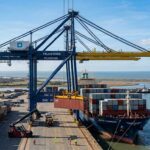
Shipping Heavy Equipment Internationally from Jebel Ali
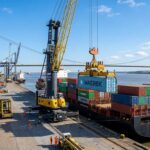
If your machine is going overseas it’s likely going through Jebel Ali Port. You have two main options: RoRo or Breakbulk. RoRo stands for “Roll-on/Roll-off”. It’s like a giant floating parking lot. If your machine has wheels or tracks and it drives, this is the easiest and cheapest way. You just drive it onto the ship. Simple. Effective. Proven.
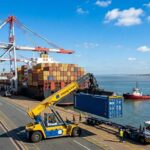
But if it doesn’t drive or it’s too big for the RoRo decks it goes as Breakbulk. This means it’s lifted onto the deck of a ship using a crane. This is more expensive and needs expert lashing. You don’t want your multi-million dollar machine moving around while the ship is in the middle of the ocean. The lashing must be done to international maritime standards. We always use high-grade steel chains and heavy-duty straps to lock everything down. No chances taken here.
| Service Type | Best For | Main Advantage |
|---|---|---|
| RoRo Shipping | Wheeled/Tracked Equipment | Lower Cost |
| Breakbulk | Oversized Static Loads | Handles Any Size |
| Flat Rack Container | Heavy but Standard Width | Regular Vessel Routes |
| Land Freight | GCC Destinations | Door-to-Door Speed |
The Importance of Cleaning and Bio-Security
If you’re shipping to countries like Australia or the USA your machine must be incredibly clean. I mean hospital clean. Any bit of Dubai sand or soil in the tracks can cause the whole machine to be rejected and sent back. It’s a bio-security risk. We’ve seen machines get quarantined for weeks because of a little bit of dirt under the seat. Always steam clean your equipment before it goes to the port. It’s a small cost that saves a massive headache.
Insurance is Not Optional
Look, I don’t care how good the driver is or how safe the ship is. You must have insurance. Things happen. A cable snaps or a storm hits at sea. If you don’t have heavy equipment shipping insurance you are taking a massive risk with your capital. Make sure the policy covers the full replacement value and the cost of the freight too. Most standard cargo insurance isn’t enough for heavy machinery. You need a specialized policy that understands the risks of moving big iron.
I once saw a forklift drop a crate containing a brand new engine. The engine was worth more than the forklift itself. Because the owner had the right insurance he got a replacement in two weeks. If he hadn’t? He would have been out of pocket and his project would have stopped. Don’t be that guy. Get the cover. It’s just common sense in this industry.
The Route Survey: Don’t Skip It
For really big moves we always do a route survey. We literally drive the route from the pickup point to the destination to check for new roadworks, hanging wires, or tight turns. Dubai changes fast. A road that was clear last month might have a new overhead sign today. A route survey takes a few hours but it prevents a disaster. If a company tells you they don’t need to check the route for a massive load they are being lazy. Find someone who cares about the details.
How to Prepare Your Machine for Transport
Don’t just leave the machine as it is. You need to prep it. Lower all the booms, lock the cabins, and disconnect the batteries. If there are loose parts take them off and crate them separately. Anything that can flap in the wind or fall off at 80km/h on the highway is a danger. Also make sure the fuel level is low. Most shipping lines have strict rules about how much fuel can be in the tank for safety reasons. Usually it’s around a quarter tank or less.
Communicating with the Driver
Actually the driver is the most important person in this whole chain. They are the one responsible for your machine on the road. Give them clear instructions. Make sure they know where they are going and who the contact person is at the site. A lot of heavy equipment sites are in the middle of nowhere and can be hard to find. Give them GPS coordinates, not just a vague description like “near the big sand dune”. It saves everyone a lot of time and shouting over the phone.
Why Experience Beats Price Every Time
I know it’s tempting to go with the lowest quote. But in heavy haulage you get what you pay for. The cheap guys often use old trailers, skip the permits, and don’t have proper lashing gear. When something goes wrong they disappear. A professional company might cost more upfront but they protect your investment and ensure your project stays on schedule. That’s the real value. You’re paying for peace of mind, not just a truck.
We’ve been doing this in the UAE for years. We know the RTA guys, we know the port staff, and we know every trick in the book to get a load moved safely. That kind of experience is what makes a move successful. It’s the difference between a machine that arrives ready to work and one that arrives in pieces. Seriously, don’t risk it on the cheap option.
Final Thoughts on Heavy Hauling
Look, moving heavy stuff is hard work. It takes planning, the right gear, and a lot of patience with the paperwork. But if you follow the steps I’ve laid out you’ll be ahead of 90% of the other people out there. Be honest with your dimensions, get your permits early, and always use a company that knows what they are doing. It’s the only way to get it done right. Now go get that machine moving!
Frequently Asked Questions
What is the maximum weight a standard lowbed can carry in Dubai?
Usually a standard lowbed can handle up to 40 or 50 tons depending on the axle configuration. If your machine is heavier you will need a multi-axle modular trailer. These can handle hundreds of tons but they require special RTA permits and often a police escort to move through the city streets safely.
How long does it take to get an RTA permit for an oversized load?
If all your paperwork is in order it usually takes 3 to 5 working days. However for very large loads that need a route survey or police escort it can take longer. It is always a good idea to start the application process at least two weeks before you plan to move the equipment to avoid delays.
Can I ship heavy equipment from Dubai to Saudi Arabia by road?
Yes, this is very common. We move machines to KSA every day. You will need the right customs documents for the border and a SASO certificate if it’s a permanent import. The road trip usually takes 3 to 5 days depending on the border queues and the final destination in Saudi Arabia.
Do I need to remove the tracks from my excavator before shipping?
Generally no. Most trailers can handle the tracks. However if the excavator is extra wide removing the tracks can make it easier and cheaper to ship by reducing the width. This is a big job and you need a specialized team to do it safely. Usually we recommend keeping them on unless it’s absolutely necessary.
What happens if my equipment is damaged during transit?
This is why insurance is so important. If you have the right cover you can file a claim for the repairs or replacement. You must take photos of the machine before it is loaded and after it is unloaded to prove when the damage happened. Without proof and insurance you’ll have a hard time getting any compensation.