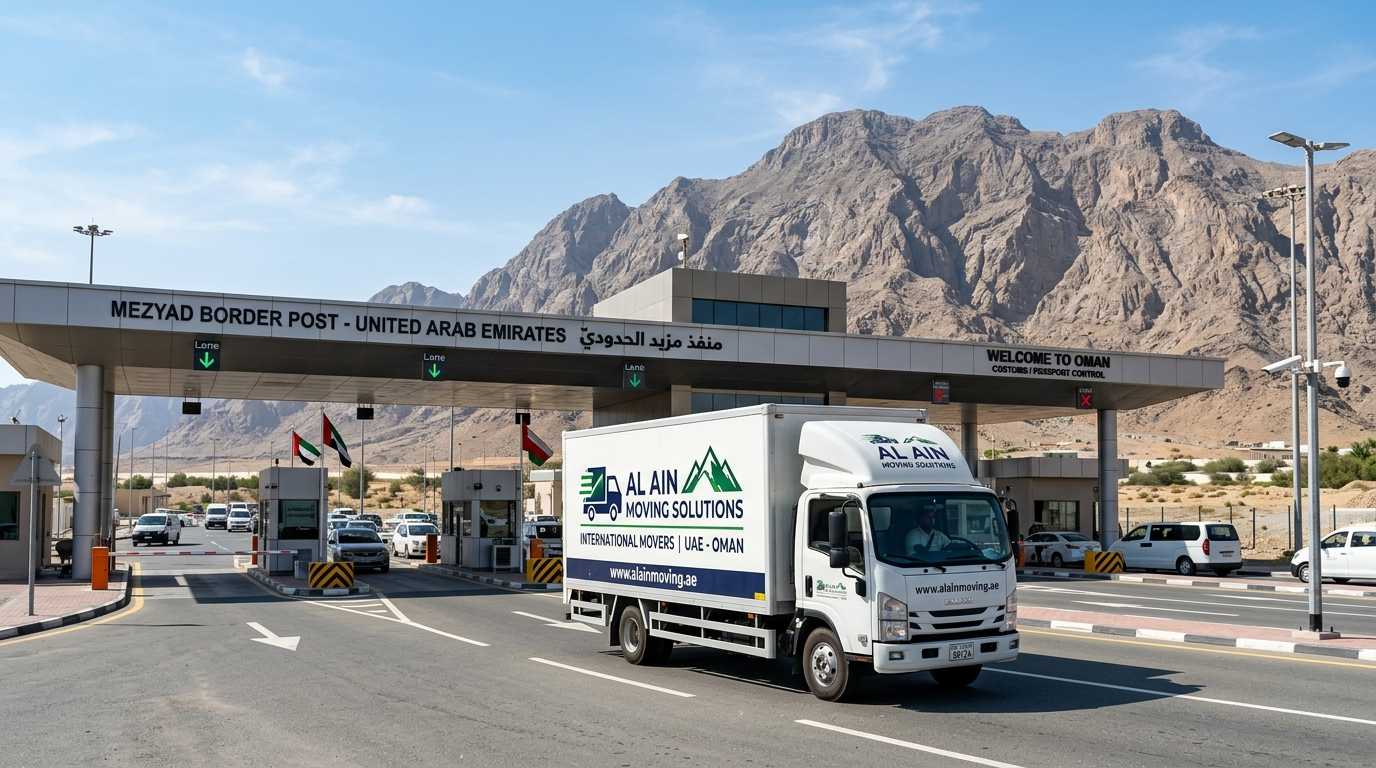
Moving from UAE to Oman – How to Survive the ‘Wajaja’ Wait and Master the Mezyad Route
Struggling with the mystery of the Omani border and wondering how to manage moving from UAE to Oman without your furniture getting stuck at the Hatta crossing for days? Here is the deal: The move to Oman is a short drive down the highway, but the main border at Hatta (Wajaja) is incredibly busy with thousands of daily travelers. If you don’t know the ‘Mezyad’ alternative and have your ‘Resident Card’ in order, the Omani customs—’Al-Jamarik’—will treat your move like a weekend road trip. Look, I’m a Muscat relocation agent. I’ve been doing the UAE-Oman corridor for twenty years. I know the secret routes that save my premium clients hours of stress. You have to be tactical. Period.
Last month, I had a client moving from a villa in Dubai Hills to the beautiful Al Mouj (The Wave) development in Muscat. He was a high-flying executive. He hired a ‘cheap’ mover who insisted on taking the Hatta-Wajaja border on a Thursday afternoon. Big mistake. The truck was stuck in a 10km queue of weekend travelers and tourists. The driver spent 15 hours sitting at the border, and by the time he reached the Omani side, the customs inspectors had closed for the night. The client spent his first night in Muscat on a hotel bed, while his entire life was sitting in a truck in the 40-degree heat. He ended up paying two thousand Dollars in ‘Truck Detention’ fees. That is the brutal reality of the ‘Wajaja Wait’. Seriously, if you don’t use the ‘Mezyad’ alternative, you are making your life difficult. Don’t be that guy.
Anyway, don’t let the border wait scare you. Let me show you the tactical way to handle your moving from UAE to Oman relocation so you can enjoy the sunset at Al Mouj and not the view from a truck window.
The Mezyad Alternative: The Secret to a Fast Oman Move
Most movers use Hatta, but the pros know Al Ain is the key.
The ‘Mezyad-Hafit’ Strategy
When you are shipping from Dubai to Oman by road, you have two main choices: Hatta (Wajaja) or Al Ain (Mezyad/Hafit). Here is the secret: Hatta is the main tourist and passenger crossing. Mezyad is the primary hub for commercial and logistics traffic. While the drive to Al Ain is slightly longer, the customs clearance at Mezyad is often much more ‘asan’ (simple) for household goods. The inspectors there handle large trucks all day and are much more efficient with ‘Packing Lists’ and ‘Resident Card’ manifests. I always tell my clients to demand the Mezyad route. It is the only way to ensure your truck is cleared and at your door in Muscat within 24 hours of leaving Dubai. Be smart. Period.
The ‘Resident Card’ Requirement: Timing Your Move
In Oman, you don’t exist without your Resident Card. And your shipping doesn’t exist without it either.
The Omani ID Rule
To bring your household goods into Oman duty-free, you must have a valid Omani Resident Card. You cannot clear your goods with just a visa application or an entry stamp. Here is the trick: time your shipping from Dubai to Oman so that the truck arrives *after* your card has been issued. If the truck arrives first, you’ll be paying ‘Truck Detention’ fees every single day at the border. I always tell my clients to stay in a hotel for the first few days, get their residency stamped, and then have the truck depart Dubai. Since the drive is only 5 hours, you can time it with surgical precision. Be tactical with the calendar. It’s the only way to win. Period.
If you’re looking at your Dubai life and wondering how to fit it into a Muscat villa without a customs disaster, talk to Next Movers. We understand the ‘Omani Standard’ for documentation and the ‘Mezyad’ alternative better than anyone else in the GCC. Check out our Logistics expert advice for more tips on cross-border moves. We are the best movers and packers in UAE because we know that in Oman, the route choice is everything.
Muscat vs. Salalah: Choosing Your Strategy
Where you are moving to in the Sultanate defines your logistics strategy and your ‘Last Mile’ delivery cost.
The Long Road South
Most expats move to Muscat or Sohar. These are straight shots from the borders. But if you are moving to Salalah, you have a 1,000km drive across the desert *after* you cross the border. In that case, you must ensure your truck has a ‘Dhofar Permit’ and the driver is experienced with the long-haul desert roads. I’ve seen trucks break down in the middle of the ‘Empty Quarter’ because they weren’t prepared for the heat. For Salalah moves, some people choose to ship by sea to the Port of Salalah, but road is still faster if you have the right team. Plan the journey with surgical precision. It’s the only way to ensure your furniture doesn’t arrive as a pile of dust. Period.
The ‘Used Goods’ Exemption: Proving Your GCC Status
Oman allows you to bring your stuff in without tax, but only if they are used personal items.
The 6-Month Barrier
To qualify for the tax exemption, your household goods must be ‘used’—meaning they’ve been in your possession for at least six months. If you buy a brand-new 85-inch OLED TV or a high-end designer lamp in Dubai a week before you ship, the Omani customs will find the serial number and charge you 5% duty. To be honest, it’s smarter to buy your new electronics in Oman—the prices are similar and you get a local warranty. Don’t waste money shipping ‘new’ tax liabilities. Be 100% honest with your inventory list. It’s the ‘asan’ (simple) way to avoid a border audit. Period.
Omani Shipping Comparison
| Destination | Transit Time from Dubai | Best Border Entry |
|---|---|---|
| Muscat | 24-48 Hours | Mezyad/Hafit (Al Ain). | Sohar | 12-24 Hours | Mezyad/Hafit (Al Ain). | Salalah | 3-5 Days | Road (Long-Haul Desert). | Salalah (Sea) | 7-10 Days | Port of Salalah. |
Frequently Asked Questions
Is road transport really better than sea for a Dubai to Oman move?
Yes. 100%. Road transport is faster, cheaper, and more direct. Your stuff stays on one truck from Dubai to Muscat. Sea freight from Jebel Ali to Port Sultan Qaboos or Sohar takes longer and involves more handling. Stick with road for an ‘asan’ (simple) move. Period.
Can I ship my car to Oman from Dubai?
Yes, and it’s very common. If you are an expat with a valid residency, you can import your car. But here is the rule: the car cannot be older than 7 years (for personal use). Also, you’ll pay a 5% customs duty on the car’s value. Make sure you have the ‘Export Certificate’ from the RTA in Dubai. Sell your older car in Dubai and buy a new 4WD in Oman. You’ll need it for the Wadis! Period.
What is the ‘last mile’ like in an Omani neighborhood?
It’s generally very easy! Most areas like Al Mouj or Qurum are modern and have wide streets. But if you are moving to an old village in the mountains or the interior, the streets can be narrow. Your movers might have to use a smaller van for the final approach. Make sure your mover in Dubai knows your exact address and the street width. It’s the difference between a smooth move and a disaster. Be prepared. Period.
How do I handle the Omani electrical system?
The good news: UAE and Oman use the same voltage (240v) and frequencies. Your UAE electronics will work perfectly. The plug shapes are also the same (UK-style 3-pin). You don’t even need adapters! This is one of the easiest parts of the move. Don’t sell your appliances; they are perfectly suited for Omani life. Simple as that. Period.
Is insurance mandatory for a move to Oman?
It’s not legally mandatory, but you’d be crazy not to have it. Even though the drive is short, the risk of road accidents or damage during the border audit is real. A ‘Full Replacement’ policy covers you for transit damage and mishaps. For a move across the border, it’s the best investment you can make. Get it. Don’t look back. Period.
As you settle into your new life in Oman, it’s essential to consider the broader infrastructure and services that support the region, including the critical role of oil and gas sectors. Companies like pipeline testing services in Abu Dhabi ensure safety and efficiency in these vital industries, making them an important part of the local economy.