Everything You Should Know About Shipping from Dubai to Australia – A Complete Guide
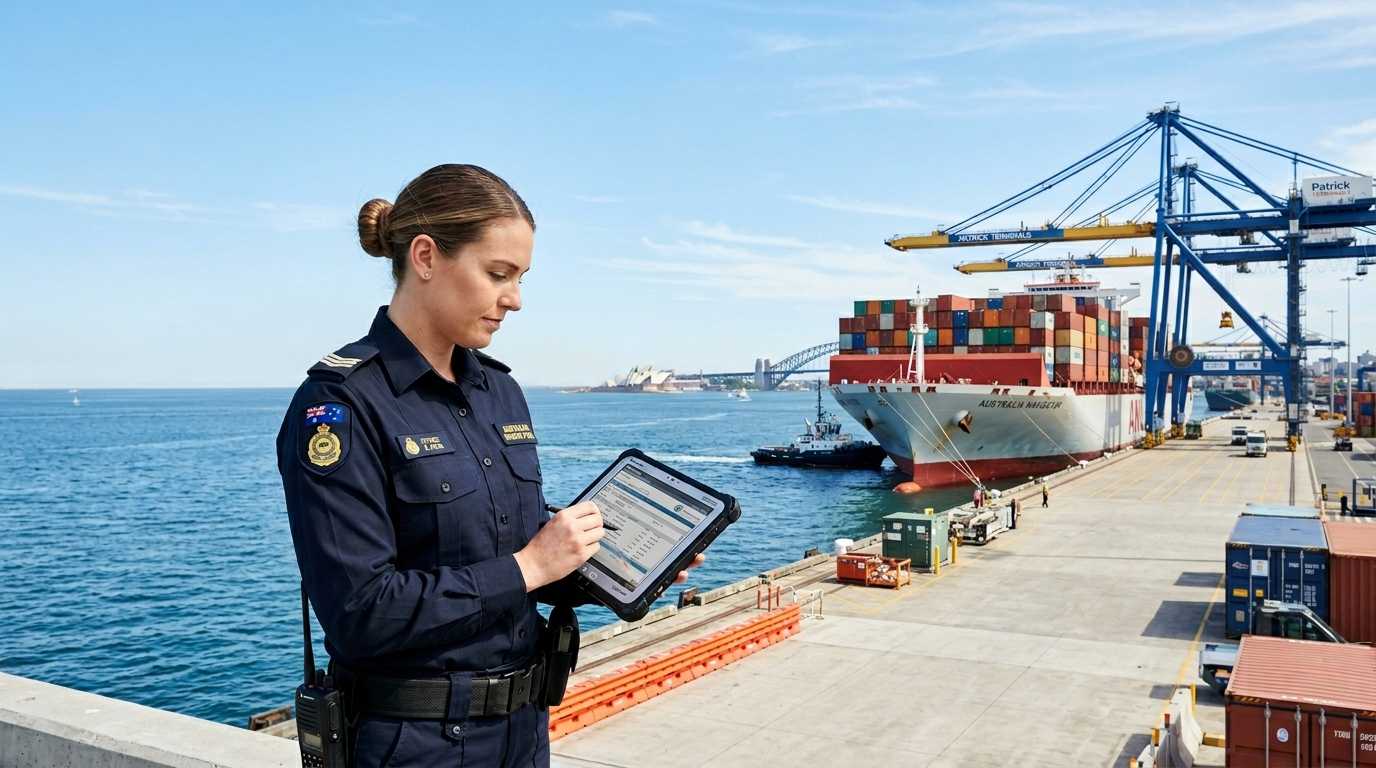
Got a shipment of retail goods or moving your entire household to the stunning cities of Sydney, Melbourne, or Brisbane? Look, if you’re dealing with shipping from dubai to australia you know it is one of the most important and well-established trade routes between the Middle East and the Southern Hemisphere. Australia is a massive market and home to a growing Arab diaspora, and the volume of cargo moving through the Port of Fremantle and Port Botany is significant. But don’t get too relaxed; the Australian Border Force (ABF) and the incredibly strict biosecurity rules can be a real challenge if you’re not prepared. But don’t worry because I am going to show you the street-smart way to manage your cargo so it clears the border without the drama. Seriously, it’s all about the biosecurity declaration.
Stop Guessing with Australian Biosecurity and the “BICON” Database Rules
The biggest mistake people make is not knowing about Australia’s incredibly strict biosecurity rules and the mandatory “Import Conditions” database (BICON). Australia is an island continent with unique ecosystems and it takes biosecurity more seriously than almost any other country in the world. If you’re shipping any organic materials—including wooden packaging, soil, seeds, plants, or certain food products—you MUST check the BICON database for the specific import conditions that apply. It is, well, really a system that has zero tolerance for non-compliance. If your wooden pallet hasn’t been heat-treated (ISPM 15 treated), the ABF will quarantine your entire shipment. And if biosecurity-sensitive items are found undeclared your cargo will be destroyed at your expense. Don’t take chances. It’s bad for your business and your wallet. It is just not worth the risk.
I remember a client who was shipping a container of premium dates and processed food products from a UAE producer to a Middle Eastern grocery chain in Sydney. He thought his standard commercial invoice and health certificate would be enough. When the container reached Port Botany the ABF biosecurity team found that some of the date products weren’t processed to the specific pathogen-reduction standard required by Australian import conditions. The entire food consignment was detained for specialized testing for twelve days. He ended up paying thousands in quarantine inspection fees and storage costs, and several perishable products were destroyed. The lesson? Always use a professional sea freight services provider who knows the Australian biosecurity and ABF rules inside out. Trust the pros.
The Real Secret to Choosing Between Port Botany and Fremantle
Actually the secret is in the final destination and the type of cargo. Port Botany in Sydney is the main gateway for Eastern Australia (New South Wales, Victoria, and Queensland). The Port of Fremantle near Perth is the gateway for Western Australia. Melbourne’s Webb Dock and Port of Melbourne handle a massive volume of cargo as well and are strategically placed for Victoria and South Australia. Many people just pick Sydney by default and don’t realize that for cargo going to Melbourne a direct service to Port of Melbourne can save meaningful transit time. And for Perth, Fremantle is the only practical sea freight option. This is where cargo services in Dubai with real Australian logistics experience show their value. They pick the right gateway for your specific destination.
Listen, you should think about air freight for your urgent or high-value goods too. Flights from DXB and DWC to Sydney International Airport (SYD), Melbourne Tullamarine (MEL), and Perth International Airport (PER) are happening every day. If you use air freight you can have your cargo cleared and delivered in less than 4 to 7 days. For electronics, luxury fashion, and urgent industrial spare parts it is the street-smart choice. The handling at SYD and MEL is world-class and the ABF airfreight clearance process is efficient for compliant goods. No one wants to wait for a ship for five weeks when a plane can do it in days, especially for time-sensitive business needs.
Key Ports and Transit Times to Australia
Don’t just pick a port because it’s the biggest. You need to consider the current congestion at the Australian terminals and the efficiency of the ABF clearance. A professional logistics provider will give you the real-world ETAs based on the current “Ground Reality” in Australia.
- Port Botany (Sydney): 25 to 35 days transit. Main hub for Eastern Australia.
- Port of Melbourne: 25 to 35 days. Best gateway for Victoria and South Australia.
- Fremantle Port (Perth): 20 to 28 days. Gateway for Western Australia.
- Sydney Airport (SYD): 4 to 7 days. Best for high-value tech and urgent cargo.
Understanding the ABF “ICS” System and Australian GST
Australia has fully digitized its customs through the Integrated Cargo System (ICS) managed by the ABF. Every commercial import above AUD 1,000 must have a formal import declaration filed through the ICS. For goods valued below AUD 1,000 a simplified “Self-Assessed Clearance” (SAC) declaration applies. Australia’s GST on imports is 10% and applies to most goods. Customs duty rates vary by tariff item under Australia’s Customs Tariff Act. Get your importer’s ABN (Australian Business Number) registered and your customs broker sorted before the ship even leaves Jebel Ali. A professional logistics partner will handle the ICS filings as part of their service.
According to the 2024 ABF Customs Update, Australia has been implementing stronger post-entry audit programs to ensure compliance with GST and duty payments. The ABF compares declared values against global market price data and will audit importers who consistently declare low values. Be honest with your invoices and you’ll sail through. Try to under-declare and you’ll face a formal ABF audit with potential back-duty assessments and penalties. Be street-smart and play it straight. It’s the only way to build a long-term, successful logistics operation in Australia.
Why Jebel Ali is the Launchpad for Australian Trade
Most shipping from Dubai to Australia starts at Jebel Ali Port. The ships go through the Indian Ocean and directly to the Australian ports. The route to Fremantle is one of the shortest, while Sydney and Melbourne require going around the southern tip of Australia or through the Torres Strait. It’s a well-established route with regular sailings. If you’re using a 20-foot or 40-foot container we make sure it’s loaded and lashed to international standards. All wooden packing materials must be ISPM 15 heat-treated before loading. We handle this as part of our standard service because we know Australia’s biosecurity rules are non-negotiable.
| Service Type | Transit Time | Main Gateway |
|---|---|---|
| Sea Freight (FCL) | 20-35 Days | Port Botany / Fremantle |
| Sea Freight (LCL) | 30-45 Days | Shared Container Hubs |
| Air Freight | 4-7 Days | Sydney / Melbourne Airport |
| Courier (Express) | 3-5 Days | Door-to-Door |
The Reality of Shipping Personal Effects to Australia
Actually we move many families and expats from Dubai to Australia every year. If you’re a new permanent resident or returning Australian you can import your used household goods duty and GST-free under the “Unaccompanied Personal Effects” (UPE) concession if you owned and used the goods before moving. But look, you must declare every single item including potentially restricted items like medications, certain foods, and organic materials. If you try to bring in brand-new luxury items and claim them as “used” the ABF officers will see the “fresh” look and charge you 5% duty plus 10% GST. Be honest and you’ll clear in a few days. Hiding something from Australian biosecurity is particularly risky because they use detector dogs at every port.
Packing for the Long Indian Ocean Journey
Actually packing for Australia is about more than just protection. It’s about biosecurity compliance. All wooden packaging (pallets, crates, dunnage) must be ISPM 15 heat-treated and marked with the official “wheat sheaf” symbol. Soil and certain organic materials must not be present on any goods or packaging. We use only ISPM 15 certified wooden materials in all containers for Australia. For furniture and household goods we use double-wall boxes and moisture-absorbent silica gel. We want your stuff to arrive in Australia exactly as it left the UAE—and to sail through the biosecurity inspection without a single hold-up. That’s the street-smart rule of packing for Australia.
I remember a shipment of premium Arabian spices and preserved foods going from a heritage brand in Dubai to a specialty retailer in Melbourne. We ensured all food products met the specific Australian import conditions from BICON, all labels were in English with Australian nutritional information, and the entire shipment was pre-cleared with the ABF before arrival. The container sailed through biosecurity in one day and the products were on the shelf in time for the Middle Eastern community’s Ramadan celebrations. It wasn’t a miracle; it was just meticulous preparation and a logistics partner who understood Australia’s rules.
Understanding the “Landed Cost” in Australian Dollars (AUD)
Look, I’m going to be blunt. The price in Dirhams for the transport is just the start. When the cargo lands in Australia you’ll have to pay the “Terminal Handling Charges”, the “Import Duty” (varies by tariff item, many goods from developing countries benefit from reduced rates under DFAT trade agreements but UAE goods pay MFN rates), and the “GST” at 10%. You may also face biosecurity inspection fees if your goods are selected for examination. This is why we always recommend a transparent quote that includes all the estimated destination charges. No one likes a surprise bill at Port Botany.
The Importance of a Reliable Customs Broker in Sydney
In Australia the customs process is all about the experience of the “Licensed Customs Broker” (LCB) registered with the ABF. If you use a random broker you found online you’re going to have a hard time especially with the biosecurity overlay. We only work with accredited Australian customs brokers in Sydney, Melbourne, and Perth who have been in the business for decades. They know the ICS system, they know the BICON database, and they can navigate the biosecurity requirements for any type of product. This is the ultimate “street-smart” move for Australian logistics. Having the right partner on the ground is more important than having the biggest ship.
The Value of Marine Transit Insurance
Look, it’s a 6,000 to 8,000 kilometer journey across the Indian Ocean. Things can happen. A container can be damaged by a crane or a rough Southern Ocean storm can be brutal. You must have “All-Risks” marine cargo insurance. Don’t settle for the basic “Total Loss” cover. You want a policy that covers scratches, dents, and water damage during transit. Most professional companies in Dubai will provide you with a certificate that is recognized by Australian insurers. It’s a small price to pay for total peace of mind while your cargo is on the water. Don’t risk your investment to save a few dirhams.
Final Thoughts on Mastering Australian Logistics
Look, shipping from dubai to australia is a great way to grow your business in one of the world’s most prosperous and stable markets or to move your life to one of the most beautiful countries on earth. The routes are reliable, the biosecurity rules are strict but manageable with the right partner, and the trade links between the UAE and Australia are growing. Be honest with your paperwork, comply with every biosecurity requirement, and always use a company that knows the “street talk” of the Australian border. Do that and you’ll be enjoying your goods in your new Australian home before you know it. Now, let’s get those BICON checks and ISPM 15 certifications ready!
Frequently Asked Questions
What is the “BICON” database and how do I use it?
BICON (Biosecurity Import Conditions) is Australia’s online database that details the import conditions for all goods entering Australia. Before shipping any goods to Australia you should check BICON to find out if there are any specific biosecurity requirements for your product. You enter the country of origin and the product type and BICON shows you the permitted import conditions and any required treatments or documentation. Your freight forwarder should check BICON for every shipment as a standard step in the booking process.
What is “ISPM 15” and why is it mandatory for Australia?
ISPM 15 (International Standards for Phytosanitary Measures No. 15) is an international standard for treating wooden packaging materials (pallets, crates, dunnage) to prevent the spread of invasive insects and plant diseases. Australia requires that all wooden packaging used in imports must be ISPM 15 treated (heat treatment or methyl bromide fumigation) and marked with the official “wheat sheaf” logo. Untreated wooden packaging found in a container can result in the entire shipment being quarantined or destroyed.
Can I ship my car from Dubai to Australia?
Yes, but there are important steps. The car must comply with Australian Design Rules (ADRs) for Australian road use. If it’s a RHD vehicle (which UAE cars typically are not as they are LHD), the conversion process is simpler. LHD vehicles require significant modifications to be registered in Australia. You’ll pay 5% customs duty plus 10% GST. The car must also undergo a biosecurity inspection and be thoroughly cleaned (underbody, wheel wells, interior) before shipping to ensure no soil or plant material is present.
What food products can I bring from Dubai to Australia?
Many processed food products from the UAE can be imported into Australia, but they must meet specific import conditions in BICON. Generally, commercially manufactured, shelf-stable packaged foods from approved countries are permitted, but they must have English-language labels. Fresh fruits, vegetables, dairy, eggs, and meat are subject to very strict import conditions. Some may be prohibited entirely or require treatment. Always check BICON for your specific products before shipping.
What are “Unaccompanied Personal Effects” in Australia?
Unaccompanied Personal Effects (UPE) is the ABF term for household goods shipped separately from a person who is moving to Australia. Under the UPE concession, new residents and returning Australians can import their used personal belongings duty and GST-free. The goods must have been owned and used by you before moving, and you must have owned them for at least twelve months. You need to complete a Customs Form B534 (Unaccompanied Personal Effects Statement) and present it to the ABF.