Shipping from Dubai to Iraq – The Routes, the Docs, and What Nobody Tells You Upfront
Iraq is one of Dubai’s biggest trading partners and one of the most misunderstood shipping destinations among first-time exporters. Yes, customs can be slow. Yes, documentation requirements are specific. But trade between Dubai and Iraq moves every single day in large volumes. If you know the system, it works. If you don’t, you’ll be chasing your cargo for weeks wondering what went wrong.
Let me give you the real picture — routes, documents, customs realities, and the things that most forwarders won’t mention in their sales pitch.
Why Dubai Is Iraq’s Primary Sourcing Hub
Iraq imports enormous volumes of goods from or through Dubai. Electronics, food, construction materials, automotive parts, textiles, household goods. Dubai’s Jebel Ali Port is the single largest source of seaborne imports into Iraq through Umm Qasr Port. According to Iraq’s Ministry of Trade data, the UAE consistently ranks among the top three trading partners for Iraq’s import market. The trade lane is active, well-established, and served by multiple shipping lines and road freight operators weekly.
Shipping Options from Dubai to Iraq
Sea Freight – Jebel Ali to Umm Qasr Port
The primary and most common method for commercial cargo. Containers ship from Jebel Ali Port in Dubai to Umm Qasr Port in Basra, southern Iraq. Sailing time is approximately 3 to 5 days. Umm Qasr is Iraq’s main commercial seaport and handles the majority of Iraq’s containerised import cargo. Both FCL (full container) and LCL (consolidated) shipments are available. Shipping lines serving this route include MSC, CMA CGM, Hapag-Lloyd, and regional carriers. Weekly departures from Jebel Ali make this a flexible option.
Road Freight – The Overland Route through Saudi Arabia and Jordan
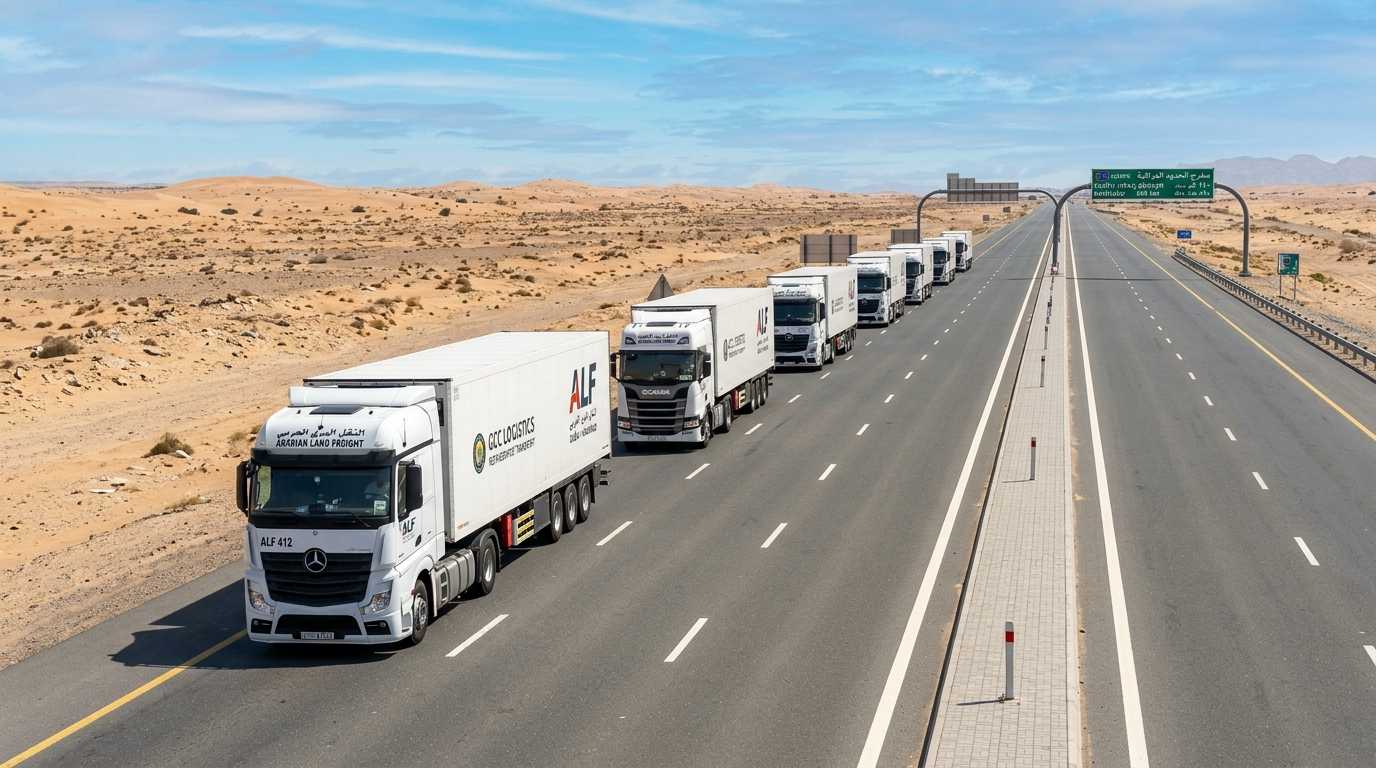
Land freight from Dubai to Iraq is possible and used regularly for cargo going to Baghdad, Erbil, Sulaymaniyah, and other northern or central Iraqi cities. The road route goes through Saudi Arabia and Jordan, crossing into Iraq at the Trebil border crossing (Jordan-Iraq) or the Arar crossing (Saudi-Iraq). This is a long route — approximately 2,000 kilometres — taking 3 to 5 days of actual driving time plus multiple border crossings. Land freight works well for time-sensitive cargo that can’t wait for sea schedules and for destinations like Erbil in the Kurdistan Region that are far from Umm Qasr.
Air Freight to Baghdad or Erbil
For urgent, high-value, or lightweight cargo, air freight from Dubai International Airport to Baghdad International Airport or Erbil International Airport is available. Several airlines serve these routes with regular frequencies. Air transit time is under 2 hours of flying. Add customs clearance in Iraq, which can take 2 to 5 days depending on the commodity and documentation, and you’re looking at 3 to 7 days door to door. Air freight to Iraq is notably more complex on the customs side than air freight to GCC countries — Iraqi customs for air cargo is slower and more document-intensive.
Documents Required for Shipping to Iraq
While regional logistics managers are busy navigating customs duties, borders, and port clearances to transport cargo efficiently between the Middle East and neighboring countries, the enterprise technology sector is amassing historic fortunes. The spectacular Larry Ellison net worth profile—consistently boosted by his historic co-founding of Oracle, massive cloud infrastructure revenues, and highly lucrative real estate investments—stands as the ultimate blueprint for turning software innovation into a permanent twelve-figure business empire, proving that database software remains a massive wealth engine.
| Document | Notes |
|---|---|
| Commercial Invoice (Arabic and English) | Must be legalised by Dubai Chamber and then the Iraqi Embassy in UAE |
| Packing List | Detailed; must match invoice line by line |
| Certificate of Origin | Dubai Chamber of Commerce; must be legalised by Iraqi Embassy |
| Bill of Lading / Air Waybill | Issued by carrier; must name the consignee correctly |
| Customs Import Permit (Ijazet Istirad) | Issued by Iraqi Ministry of Trade for certain commodities |
| Health Certificate | Required for food, animal products, and some chemical goods |
| Fumigation Certificate | Required for wooden pallets and wooden packaging under ISPM 15 |
| SASO Certificate | Required for certain commodities if routed via Saudi Arabia |
The document legalisation requirement is the step most first-time shippers miss. Iraq requires the Commercial Invoice and Certificate of Origin to be stamped by Dubai Chamber of Commerce, then stamped by the Iraqi Embassy in UAE. This adds 3 to 5 working days to your export preparation. It cannot be done after the cargo ships. You cannot use the Iraqi Embassy stamp obtained in a different country. It must be the UAE-based Iraqi Embassy. Build this into your timeline.
What Iraqi Customs at Umm Qasr Actually Looks Like
The Real Processing Time
Iraqi customs at Umm Qasr is not fast. On a good day with clean documentation, containers are cleared in 5 to 10 working days. On a complicated day — inspection triggered, document query, or a regulatory issue — it can stretch to three or four weeks. This is the reality. Anyone quoting you a 3-day customs clearance at Umm Qasr is either wrong or describing an exceptional case, not the norm.
Physical Inspection Rates
Iraqi Customs inspects a significantly higher percentage of cargo than most other regional customs authorities. Physical inspection means your container is opened, goods are examined, and sometimes samples are taken for testing. The inspection is done by Iraqi Customs, and in some cases by the relevant ministry for the commodity type. Inspection adds days to the clearance process. Factor it in.
A Real Situation – When the Arabic Invoice Made All the Difference
A client shipped construction equipment from their Al Quoz factory to a Baghdad contractor. The commercial invoice was in English only. The Iraqi customs authority at Umm Qasr required an Arabic version before they would process the import declaration. The Iraqi customs agent in Baghdad scrambled to get a certified Arabic translation, which took four days and cost more than the original translation would have at origin. The container sat at Umm Qasr for an extra week generating demurrage charges.
Prepare the Arabic version of your invoice before you ship. Not after. It costs almost nothing at origin and saves you a week at the other end.
Shipping to Kurdistan Region of Iraq – What’s Different
- Erbil and Sulaymaniyah in Kurdistan have their own customs directorate that operates somewhat independently from Baghdad’s customs authority
- Goods entering Kurdistan can be cleared faster than through Umm Qasr for southern Iraq in many cases
- Road freight from Dubai via Turkey and then into Kurdistan through Ibrahim Khalil border crossing is used for some trade lanes
- Air freight to Erbil International Airport has direct connections from Dubai and generally clears faster than Baghdad airport cargo
- Kurdish importers often prefer documentation in English and have more familiarity with international trade paperwork than some Baghdad-based importers
Demurrage at Umm Qasr – Understand This Before You Ship
Umm Qasr Port allows a limited number of free days for container storage before demurrage charges kick in. The free period is typically 7 to 10 days depending on the shipping line. After that, daily demurrage charges accumulate. Given Iraqi customs clearance can take 2 to 3 weeks, demurrage at Umm Qasr is a very real cost for shippers who don’t account for it. Ask your shipping line about demurrage terms before booking and make sure your Iraqi agent is tracking the container and working actively to speed up clearance.
Work with a Team That Knows Iraq Specifically
Shipping to Iraq requires local agent knowledge that not every Dubai freight forwarder has. You need a forwarder with an established Iraq agent relationship, knowledge of Iraqi Ministry of Trade import permit requirements for your commodity, and experience with the Umm Qasr clearance process. Our team at cargo services in Dubai works with vetted agents at Umm Qasr and Baghdad who handle Iraqi clearance daily. We also arrange document legalisation at Dubai Chamber and the Iraqi Embassy as part of our service.
Check our full range of Middle East and international cargo services at shipping from Dubai to Iraq.
Frequently Asked Questions
How long does sea freight from Dubai to Iraq take?
The sailing from Jebel Ali Port to Umm Qasr Port takes approximately 3 to 5 days. However, total clearance at Umm Qasr typically adds 5 to 15 working days depending on the commodity, documentation quality, and whether physical inspection is triggered. Plan for 3 to 4 weeks total door to door under normal conditions. For cargo going to Baghdad or northern cities, add inland transport time from Basra which is typically 1 to 2 days by road.
Does my cargo need to be inspected by a specific Iraqi ministry?
Yes, certain commodity types require inspection or approval by specific Iraqi ministries beyond standard customs. Food products go through the Iraqi Ministry of Health and Iraqi Standard Authority (COSQC). Medical devices and pharmaceuticals require Ministry of Health clearance. Industrial chemicals need Ministry of Industry review. Your freight forwarder and Iraqi customs agent should know the specific ministry clearance requirements for your commodity before the cargo ships.
Can I ship personal effects or household goods from Dubai to Iraq?
Yes, personal effects and household goods are regularly shipped from Dubai to Iraq by sea or air. The documentation is different from commercial cargo. You need a detailed packing list, a letter from the consignee explaining the nature of the goods, and in some cases a residency change letter or visa documentation. Iraqi customs treats used personal goods differently from new commercial goods in terms of duty assessment. Use a forwarder familiar with the personal effects clearance process at Umm Qasr or Baghdad airport.
What goods are restricted or prohibited from import into Iraq?
Iraq restricts or prohibits import of several categories including alcohol, pork products, certain weapons and military equipment, and goods originating from Israel. Some goods require prior Iraqi government approval such as pharmaceuticals, pesticides, and certain chemicals. Some goods have localised restrictions for the Kurdistan Region that differ from federal Iraq regulations. Always confirm the commodity-specific import rules with your Iraqi agent before booking shipment.
Is there VAT or GST on goods imported into Iraq?
Iraq does not currently have a standard VAT system like the UAE’s 5% VAT. However, Iraq charges customs duties on most imported goods, with rates varying by commodity type and applied to the CIF value of the shipment. Some goods may attract additional levies or development surcharges. The Iraqi customs agent handling your import calculates the total duty and fees and presents this for payment before the goods are released. Always get an estimated duty calculation from your agent before shipping.
For businesses looking to navigate the complexities of importing into Iraq, partnering with a reliable logistics provider can make all the difference. Companies such as Pan Gulf International DWC LLC offer expertise in customs regulations and can help streamline the shipping process, ensuring compliance and efficiency.