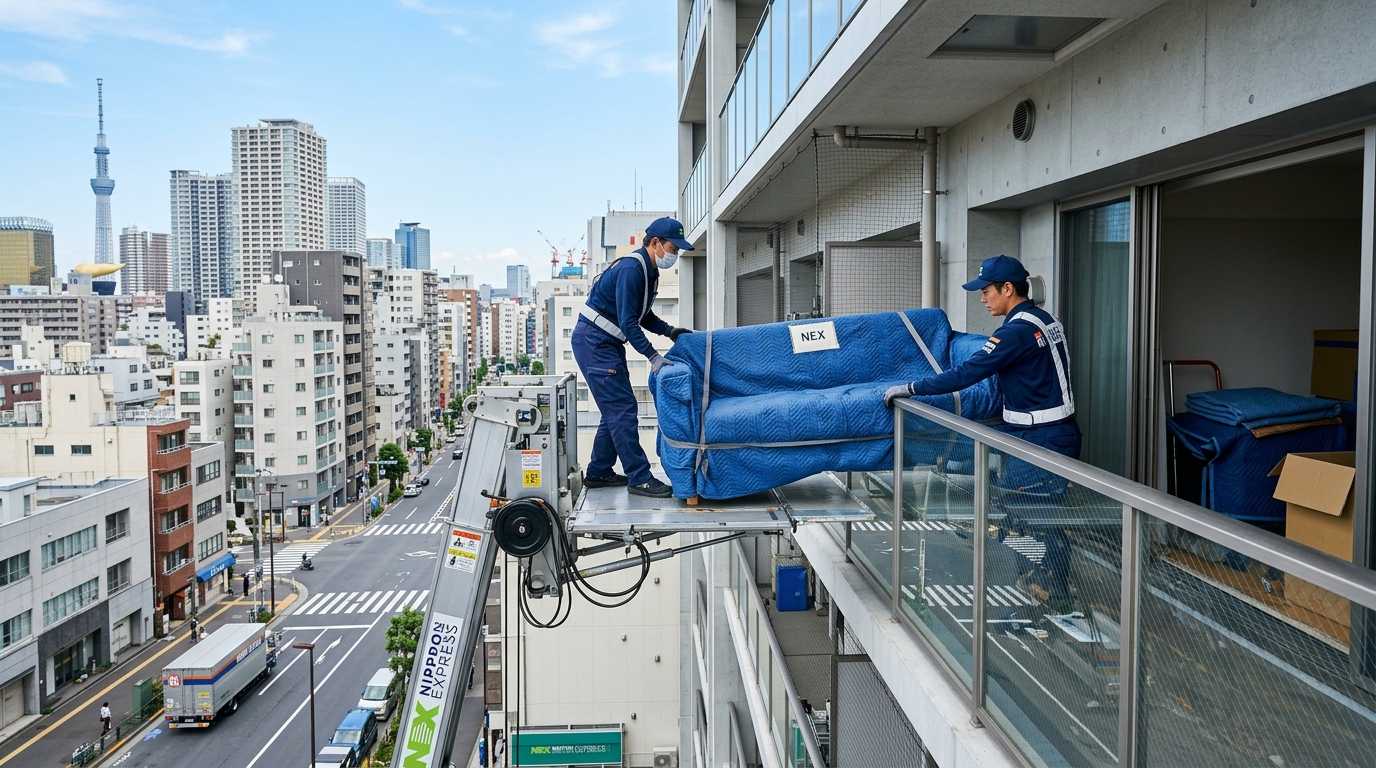
Shipping from Dubai to Japan – How to Avoid the ‘Big Furniture’ Trap and Move Like a Pro
Struggling with the mystery of Japanese logistics and wondering how to manage shipping from Dubai to Japan without your furniture getting stuck on a Tokyo sidewalk? Here is the deal: Japan is a country of precision and small spaces. If you think your massive L-shaped sofa from your Dubai Marina villa is going to fit into a 40-square-meter apartment in Shinjuku, you are dreaming. Look, I’m a ‘Gaijin’ (foreigner). I lived in Dubai for five years, and when I moved to Tokyo, I thought I was ready. I wasn’t. I learned the hard way that Japan doesn’t just have different rules—it has a different scale. You have to be tactical. Period.
Last year, I watched a guy move from a 4-bedroom villa in Mirdif to a modern condo in Minato, Tokyo. He spent six thousand dollars shipping his ‘luxury’ lifestyle. When the movers arrived at his building, they realized his American-sized fridge and his massive mahogany dining table wouldn’t even fit in the service elevator. They had to leave them in the lobby while he frantically searched for a buyer on Craigslist. He ended up selling a three-thousand-dollar table for a hundred bucks just to get it out of the way. That is the brutal reality of the ‘Big Furniture’ trap in Japan. Seriously, if it’s over 180cm, think twice. Japan is small. Don’t fight the physics.
Anyway, don’t let the size difference stop you. Let me show you the tactical way to handle your shipping from Dubai to Japan relocation so you can enjoy the sushi and not the storage fees.
The ‘Elevator’ Audit: Why Measurement is Everything
In Japan, the hallway and the elevator define your life.
The 180cm Rule
Most Japanese residential elevators are built for efficiency, not for moving king-sized beds from the UAE. If your furniture doesn’t come apart into small pieces, it won’t reach your floor. I always tell my friends to do a ‘Measurement Audit’ before they even call a mover in Dubai. If your sofa is a solid piece and it’s longer than the height of a standard Japanese door (usually about 2 meters), it’s a no-go. I’ve seen people having to hire ‘Furniture Cranes’ to lift sofas through balconies, which costs five hundred dollars an hour. It’s much ‘asan’ (simple) to sell the big stuff in Dubai and buy minimalist, modular furniture in Japan. It fits the aesthetic, and it fits the room. Be smart.
The ‘Declaration of Unaccompanied Articles’: The Crucial Form C
Japan is meticulous about its customs forms. You can’t miss this one.
The Airport Declaration
When you land at Narita or Haneda, you MUST fill out two copies of the ‘Declaration of Unaccompanied Articles’ (Form C). You hand them to the customs officer, they stamp them, and they give one back to you. This stamped paper is what allows your shipping from Dubai to Japan to enter the country duty-free. If you walk through the ‘Nothing to Declare’ line without getting this stamp, you will be hit with a 10% tax on the value of everything in your container. I’ve seen people lose thousands of dollars because they were too tired after a 12-hour flight to read the form. To be honest, it’s the most expensive nap you’ll ever take. Stay awake. Get the stamp. Save the cash.
If you’re looking at your life in Dubai and wondering how to pack it into a Japanese-sized box without a customs disaster, talk to Next Movers. We understand the ‘Japanese Precision’ for inventory and documentation better than any other team in the UAE. Check out our Logistics expert advice for more tips on moving to Asia. We are the best movers and packers in UAE because we know that in Japan, the small details are the ones that matter the most.
Yokohama vs. Osaka: Choosing Your Gateway
Where your boat lands will define your ‘Last Mile’ delivery cost.
The Port of Entry Factor
Most shipments from Dubai land in Yokohama (for Tokyo) or Osaka/Kobe (for the Kansai region). Here is the trick: Japan’s road network is incredible, but the tolls are the highest in the world. If your shipment lands in Osaka but you are moving to Tokyo, the truck ride will cost you a fortune in ‘Highway Fees’. I always insist on a port that is within 50km of the final destination. Also, make sure your mover uses ‘Japanese-Spec’ trucks. Large 40-foot containers often can’t enter narrow residential streets in Tokyo. Your stuff will have to be ‘Trans-loaded’ into smaller 2-ton vans. This adds labor costs. Plan the final delivery with surgical precision. It’s the only way to stay on budget.
The ‘Zero Waste’ Mindset: De-cluttering Before You Ship
Japan is the land of Marie Kondo. Take her advice.
The ‘Joy’ of Not Shipping Junk
In Dubai, we have a habit of keeping things because we have the space. In Japan, space is a luxury. If you haven’t used that old rug or that spare kitchen appliance in a year, don’t ship it. Every cubic meter you ship costs money, and every cubic meter you store in Japan costs double. I’ve seen expats arrive in Tokyo with 50 boxes and realize they only have room for 20. The rest ends up in a ‘Trunk Room’ (self-storage) that costs three hundred dollars a month. That is a waste of money. Be ruthless. Sell it, donate it, or bin it before you leave the UAE. It’s the most ‘asan’ (simple) way to have a stress-free move. Keep only the essentials and the things that actually fit the Japanese lifestyle.
Japanese Shipping Comparison
| Shipping Mode | Transit Time from UAE | Typical Use Case |
|---|---|---|
| Sea Freight (FCL) | 25-32 Days | Full house relocation to Tokyo or Osaka. | Sea Freight (LCL) | 35-45 Days | Small studio apartment or essential furniture. | Air Cargo | 4-6 Days | Urgent essentials, work equipment, and books. |
| Port of Entry | Yokohama / Osaka | The most efficient gateways in Asia. |
Frequently Asked Questions
Is the 100v vs 220v electricity a problem?
Yes. Japan uses 100v (and different frequencies in East vs. West Japan). Most UAE appliances (220v) will not work without a heavy and expensive transformer. Even then, they often run hot and fail. To be honest, sell your kitchen appliances and your hair dryers in Dubai and buy new ones in Japan. They have the best tech in the world anyway! It’s just ‘asan’ (simple). Period.
Can I ship my car to Japan from Dubai?
Look, I’ll be blunt: Unless it’s a rare left-hand drive classic, don’t do it. Japan’s ‘Shaken’ inspection system is legendary for being strict and expensive. Modifying a UAE car to pass Japanese safety and emission rules can cost more than the car is worth. Plus, public transport in Japan is so good you won’t even need a car. Sell it and buy a Pasmo card. It’s the smart move.
How do I handle my wooden furniture?
Japan is very strict about pests. If your furniture is made of raw, untreated wood or cane, it might be flagged for quarantine inspection. Most modern, finished furniture (IKEA, West Elm, etc.) is fine. But if you have an old ‘souq’ find, make sure it’s clean and pest-free. If they find a bug, the fumigation fee in Yokohama is massive. Keep it clean. Period.
Do I need to be in Japan when my shipment arrives?
Yes. You must have landed in Japan and had your ‘Residence Card’ issued at the airport before the customs clearance can begin. Your mover will need a copy of your passport with the entry stamp and the Form C declaration. You don’t need to go to the port, but your ‘Legal Presence’ in the country is mandatory. Don’t ship your stuff three months before you arrive.
Is insurance necessary for a move to Japan?
Yes. 100%. The route from Jebel Ali to Yokohama involves crossing the Indian Ocean and navigating the South China Sea. These are busy waters. A ‘Full Replacement’ policy covers you for transit damage and port mishaps. Japanese movers are incredibly careful, but accidents happen during the ocean voyage. It’s a small price for a lot of peace of mind. Get it. Don’t look back.
As you prepare for your move, consider not only the logistics of transporting your belongings but also how you’ll illuminate your new space; partnering with experts can make a significant difference. For quality lighting solutions, check out Sunrise Oasis Lighting LLC in Dubai.