Everything You Should Know About Shipping from Dubai to Lebanon – A Complete Guide
Got a shipment of retail goods or moving your entire house to the beautiful city of Beirut? Look, if you’re dealing with shipping from Dubai to Lebanon you know it is a route that requires a lot of local knowledge and flexibility. The situation in the region can change quickly but the trade links between the UAE and Lebanon remain strong. But don’t worry because I am going to show you the street-smart way to manage your cargo so it reaches Beirut fast and without the hidden costs. Seriously, it’s all about the Beirut Port and the airport.
Stop Guessing with Lebanese Customs
The biggest mistake people make is not knowing about the latest customs regulations in Lebanon. The rules about duties and taxes can be complex and they often depend on the “freshness” of the currency you’re using. If you are a business owner and you don’t have a reliable clearing agent in Beirut you are going to face massive delays. It is, well, really a test of your local network. Don’t take chances. It’s bad for your business and your timeline. It is just not worth the risk.
I remember a client who was shipping a container of luxury furniture from a showroom in Dubai to a new apartment in Achrafieh. He thought he could handle the clearance himself. When the container reached Beirut Port the customs officers held it because the “Valuation” wasn’t according to their latest benchmark prices. The container sat there for two weeks while he scrambled to find a broker who could negotiate the fair value. He ended up paying thousands in storage fees and his apartment was empty for a month. The lesson? Always use a professional sea freight services provider who has a strong partner in Beirut. Trust the pros.
The Real Secret to Choosing Between Sea and Air Freight
Actually the secret is in the speed vs the port safety. Sea freight from Jebel Ali to Beirut Port is the most common way for furniture and bulk items. The ships go through the Suez Canal and into the Mediterranean. The sailing time is about 10 to 15 days. But look, if you have high-value electronics or urgent fashion goods air freight to Beirut-Rafic Hariri International Airport (BEY) is much safer and faster. Flights from DXB to BEY are happening multiple times a day. If you use air freight you can have your cargo cleared and delivered in less than 3 to 5 days. For anything that is sensitive or urgent it is the street-smart choice. The handling at BEY is professional and the risk of damage is much lower than the busy port area.
Listen, you should think about the “Final Destination” too. If you’re delivering to Northern Lebanon or the South air freight to Beirut is still the best gateway. The trucking within Lebanon is relatively fast once the cargo is cleared. This is where cargo services in Dubai with real Lebanese experience show their value. They pick the right gateway to save you time and money on the final delivery. No one wants their cargo stuck in a warehouse when it could be in their home.
Key Routes and Transit Times to Lebanon
Don’t just pick a route because it looks cheap. You need to consider the current situation at the port and the airport. A professional logistics provider will give you the real-world ETAs based on the current “Ground Reality” in Beirut.
- Sea Freight (FCL): 10 to 15 days transit. Best for full containers and furniture.
- Sea Freight (LCL): 15 to 22 days. Best for shared containers and boxes.
- Air Freight: 3 to 5 days. Best for high-value tech and urgent cargo.
- Courier (Express): 2 to 3 days. Best for documents and small parcels.
Understanding the “Personal Effects” Rules for Expats
If you’re a Lebanese expat moving back home from Dubai you have some specific advantages. If you have been living abroad for more than three years you can often import your used household goods with a significant tax exemption. But look, you need a “Certificate of Change of Residence” from the Lebanese Consulate in Dubai. If you don’t have this paper you’ll be hit with full duty and VAT on everything you own. That’s a huge bill you don’t want to pay. No one wants their sofa stuck at the port while they’re trying to enjoy a coffee in Gemmayze.
According to the 2024 Lebanese Customs Guide for Returnees, many people face delays because their inventory list isn’t detailed enough. Don’t just write “Kitchen Goods”. Write “Used Blender, Used Plates, 1x Sony LED TV”. You must declare all electronics by brand and model. If the inspector finds a brand new TV that wasn’t on the list they will charge you full duty. Be honest and you’ll clear fast. Try to hide something and you’ll be stuck in the bureaucracy forever. Be street-smart and play it straight.
Why Beirut Port is the Gateway to the Nation
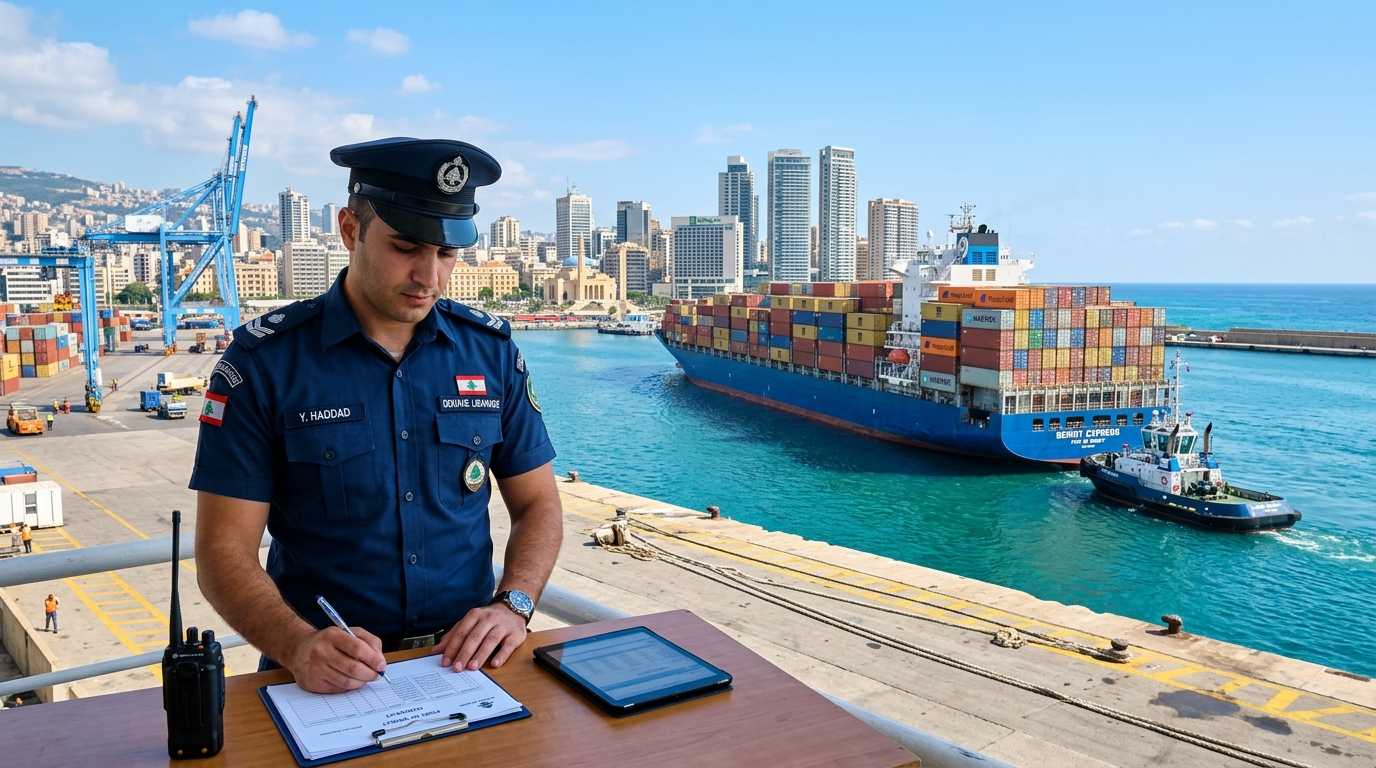
Beirut Port is the heart of Lebanon’s trade. It has been through a lot but it remains the main entry point for sea cargo. The journey from Jebel Ali to Beirut is a long one but well-traveled. If you’re using a 20-foot or 40-foot container we make sure it’s loaded and lashed to international standards. The journey through the Mediterranean can be rough in the winter, so we always use high-grade moisture protection (silica gel) in every container. No one wants moldy furniture or damp clothes arriving in Beirut. We treat every box like it’s going around the world.
| Service Type | Transit Time | Main Gateway |
|---|---|---|
| Sea (Full Container) | 10-15 Days | Beirut Port |
| Sea (LCL Shared) | 15-22 Days | Beirut Port / Tripoli |
| Air Freight | 3-5 Days | Beirut Airport (BEY) |
| Courier (Express) | 2-3 Days | Door-to-Door |
The Reality of Shipping Retail Goods to Lebanon
Actually Lebanon has a huge appetite for retail goods from the UAE. If you’re a business owner shipping fashion or electronics you need to be very careful with your “Commercial Invoice”. Every item must have its HS Code and the country of origin clearly stated. If you’re shipping European brands from Dubai to Lebanon you might have to pay higher duties than if the goods were made in the UAE. This is where a professional logistics partner earns their fee—they help you classify your goods correctly to minimize your tax exposure. It’s the street-smart way to manage your margins.
Packing for the Long Trip across the Mediterranean
Actually packing for Lebanon is about protecting against moisture and handling. Even though the trip is mostly on the sea the humidity in Beirut Port can be very high. We use double-wall boxes and moisture-absorbent silica gel in every container. For furniture we use heavy-duty corrugated paper rolls and “Furniture Blankets”. We want your stuff to arrive in Beirut exactly as it left Dubai. No mold, no scratches, no drama. That’s the street-smart rule of packing for the Lebanese market. We don’t take shortcuts when it comes to protection.
I remember a shipment of high-end lighting fixtures going from a showroom in Dubai to a luxury hotel project in Beirut. We used custom-built wooden crates and industrial-grade bubble wrap. Even with the long sea trip and the handling at the port the fixtures arrived in perfect condition. The hotel designer was thrilled and the project stayed on schedule. It wasn’t luck; it was just better packing and a better plan. If you care about the cargo you have to care about the box it’s in. That’s the real value of a professional packaging service.
Understanding the “Landed Cost” in Fresh Dollars
Look, I’m going to be blunt. The price in Dirhams is just the start. When the cargo lands in Lebanon you’ll have to pay the “Terminal Handling Charges”, the “Customs Fee”, and the “Local Delivery truck”. In Lebanon many of these fees are now charged in “Fresh Dollars”. Always ask for an “All-In Door-to-Door” quote. This means the Dubai company manages the Lebanese side too. It’s much safer and you know exactly how many Dollars you’ll need to have ready. No surprises at the port. No one likes a hidden fee when they’re already dealing with a big move.
The Importance of a Reliable Clearing Agent in Beirut
In Lebanon the customs process is all about who you know and how fast you can navigate the paperwork. If you use a random agent you found online you’re going to have a hard time. We only work with agents in Beirut who have been in the business for decades. They know the inspectors, they know the latest rules, and they can solve problems in minutes that would take others days. This is the ultimate “street-smart” move for Lebanon logistics. Having the right person on the ground is more important than having the biggest truck. Trust the relationship.
The Value of Marine Transit Insurance
Look, it’s a 4,000 kilometer journey by sea. Things can happen. A container can be damaged by a crane or a storm can hit the Mediterranean. You must have “All-Risks” insurance. Don’t settle for the basic “Total Loss” cover. You want a policy that covers scratches, dents, and accidental damage. Most professional companies in Dubai will provide you with a certificate that is recognized by Lebanese insurance companies. It’s a small price to pay for total peace of mind while your cargo is in transit. Don’t risk it to save a few dirhams.
Final Thoughts on Mastering Lebanese Logistics
Look, shipping from Dubai to Lebanon is a great way to grow your business or manage your personal moves. The routes are reliable, the links are strong, and the people are resilient. Be honest with your paperwork, pick the right gateway for your budget, and always use a company that knows the “street talk” of the Beirut customs world. Do that and you’ll be enjoying your stuff in your new home before you know it. Now, let’s get those Consulate certificates and packing lists ready!
Frequently Asked Questions
How long does a container take from Jebel Ali to Beirut?
The actual sailing time is about 10 to 15 days. However you should add another 10 to 15 days for the total process including packing in Dubai, clearing customs at both ends, and the final delivery in Lebanon. Total door-to-door time is usually around 25 to 30 days. It’s one of the most established sea routes in the region and it remains reliable despite the challenges.
Do I need to pay customs duty on my household items in Lebanon?
If you’re a Lebanese citizen moving home and you have been living abroad for more than three years you are usually exempt from customs duty on your used furniture. However new items or items in commercial quantities will be taxed. Always keep your receipts for any new furniture or electronics you’re bringing in to prove their value. This will save you a lot of time with the inspectors in Beirut.
Can I ship my car to Lebanon from Dubai?
Yes, but there are strict rules about the age of the car (usually it must be less than 8 years old). You also have to pay a significant import tax based on the engine size and the value of the car. Many people find it cheaper to sell in Dubai and buy in Lebanon, but for luxury or classic cars it is possible. Always talk to a specialist car mover before you book the ship.
Is air freight to Beirut safe?
Yes, it is very safe. Middle East Airlines (MEA) and Emirates SkyCargo operate daily flights from DXB to Beirut-Rafic Hariri International Airport (BEY). If you use air freight you can often clear your cargo and have it delivered in Beirut in less than 48 to 72 hours. It’s the best choice for urgent business documents or high-value fashion and electronics.
What happens if Beirut Port is congested?
If Beirut Port is congested the ships might be diverted to Tripoli Port in the North. This adds a little bit of time and trucking cost but it ensures that your cargo doesn’t sit on the water for weeks. A good logistics company will monitor the port situation and advise you on the best gateway before the ship even leaves Dubai. Being proactive is the key to success.
As logistics solutions become increasingly important for businesses operating in the region, understanding local services can enhance your overall experience, including grocery shopping. For those living in or visiting the UAE, be sure to explore our comprehensive Abela Supermarket Abu Dhabi guide to make the most of your shopping trips.