The MPI/MAF Nightmare: The Reality of Shipping From Dubai to New Zealand
Listen, I just moved back to Auckland after eight years in the UAE. I thought I knew about customs. I was wrong. New Zealand’s Ministry for Primary Industries (MPI)—formerly known as MAF—is the most aggressive biosecurity force on the planet. They aren’t looking for drugs or money; they are looking for a single blade of grass, a speck of dirt, or a microscopic bug. If you are shipping from dubai to new zealand, you are entering a country that treats a dirty hiking boot like a bio-weapon. If you don’t understand the ‘Biosecurity Clearance’ protocol, your container will be seized, professionally cleaned at your expense, or entirely destroyed. Total ecological lockdown.
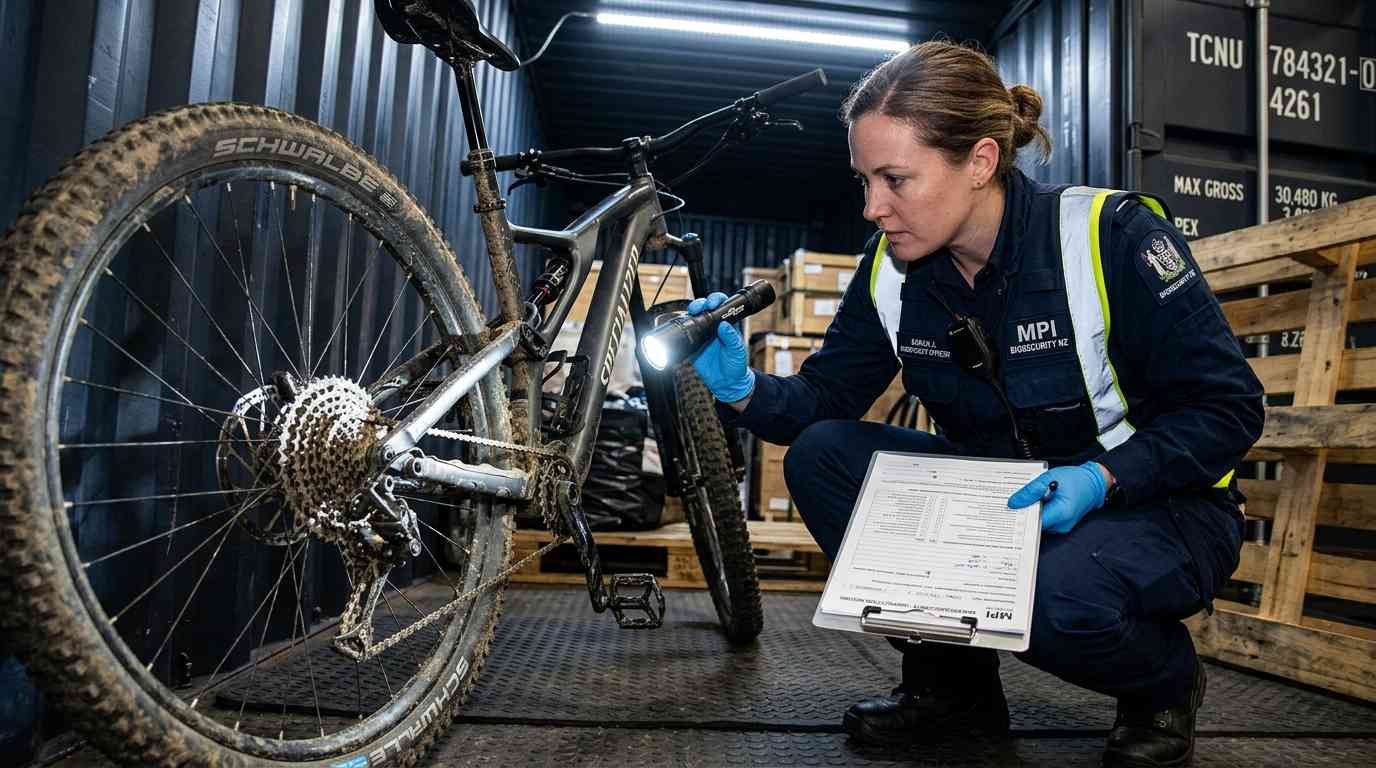
I spent five hours at the inspection facility watching a biosecurity officer use a high-powered flashlight and a dental pick to check the treads of my mountain bike tires. He found a tiny piece of dried Dubai desert mud. That one speck of dirt triggered a ‘Mandatory Steam Clean’ of the entire container. I was billed 1,200 New Zealand Dollars for the cleaning and another 800 for the extra labor and storage. My furniture was held for two weeks. All because of a bike I hadn’t ridden in a year. Total logistical failure.
You have to be surgically clean. Let me show you how to survive the MPI audit.
The ‘New Life’ Biosecurity Mandate
New Zealand is a primary producer; one invasive pest can ruin their economy.
The Zero-Dirt Policy
Anything that has touched the ground in Dubai—hiking boots, golf clubs, garden furniture, bicycles, vacuum cleaners—must be pressure-washed until it looks brand new. I’m not talking about ‘wiped down.’ I’m talking about factory-clean. If there is a single spiderweb on your patio chair or a grain of sand in your vacuum bag, MPI will flag it. My advice: Throw away your vacuum cleaner before you leave Dubai. It is impossible to get the dust out of the internal filters, and the MPI will detect it. Buy a new one in NZ. It’s cheaper than a 1,000-dollar cleaning fine.
The Wood and Cane Restriction
Raw wood is an invitation for an MPI torching.
The ISPM 15 and Untreated Timber Rule
If you have any furniture made of wicker, cane, or untreated wood (like the ‘shabby chic’ stuff from the Dubai markets), leave it behind. These materials are prime breeding grounds for wood-boring insects. If the inspector finds a single tiny hole in a wooden table leg, they will order the item to be fumigated with Methyl Bromide. This gas is toxic and can ruin certain finishes. If the item is heavily infested, they will simply take it to the incinerator. If you ship wood, it MUST be ‘Heat Treated’ and accompanied by a certificate. If it’s not stamped ISPM 15, don’t ship it to Aotearoa.
If you are heading to the Land of the Long White Cloud and need a logistics team that understands the paranoid requirements of New Zealand biosecurity, check out our Logistics and NZ relocation specialists. We are the best movers and packers in UAE because our export teams have a dedicated ‘Clean-Desk’ policy for every NZ-bound container.
The ‘Unaccompanied Personal Baggage’ (NZCS 218)
The paperwork is as strict as the physical inspection.
The Detailed Declaration
You must fill out the NZCS 218 form with absolute honesty. If you check ‘No’ to having outdoor equipment and the inspector finds a tent in your box, you are in deep trouble. They will assume you are hiding other things. Every box must be labeled with its contents. If you have a box labeled ‘Misc,’ they will open it. If you have a box labeled ‘Cleaned Camping Gear,’ and it is actually clean, they will move much faster. In New Zealand, transparency is the only way to avoid the ‘Intensive Exam’ fee which can be over 2,000 Dollars.
Essential New Zealand Shipping Checklist
| Biosecurity Requirement | Why It Prevents an MPI Disaster |
|---|---|
| Pressure-Wash All Treads | Boots, bikes, and golf clubs must be 100% free of dirt and organic matter. | Discard Vacuum Bags & Filters | MPI considers old vacuum dust a major biosecurity risk; buy new in NZ. | Fumigate Cane & Wicker | Prevents the incinerator or the expensive Methyl Bromide gas chamber. | Detailed NZCS 218 Form | Honesty about outdoor gear avoids the ‘Concealment’ fine and intensive searches. | ISPM 15 Stamped Wood | Ensures all packing crates and wooden furniture meet international safety standards. |
Frequently Asked Questions
Can I ship my dog to New Zealand?
Yes, but it is the hardest pet relocation in the world. NZ is rabies-free. Your dog will need months of blood tests and a mandatory 10-day quarantine in a government-approved facility in Auckland or Christchurch. Expect to pay 30,000+ Dirhams for the whole process. One mistake in the vet paperwork and the dog will be deported or euthanized. Use a specialist pet mover.
How long does the shipping take?
The sea journey from Jebel Ali to Auckland or Lyttelton is long—roughly 40 to 50 days. When you add the mandatory biosecurity and customs window, the total door-to-door time is closer to 70 to 80 days. You will need to live in a ‘bach’ or temporary accommodation for the first three months.
Is New Zealand customs tax-free for residents?
Yes, if you have lived outside NZ for more than 21 months and have owned the goods for at least 12 months, you can import your household effects GST-free. If you bought a brand new TV in Dubai last week, you will have to pay 15% GST on it when it arrives.
What is an ‘Inspection Fee’?
Unlike the US or the UK, in New Zealand, YOU pay for the government to inspect your container. Every MPI and Customs hour spent looking at your stuff is billed to you. A standard container inspection can cost between 400 and 800 NZD. If they find dirt, the costs explode.
Should I bring my Christmas decorations?
Be careful. If you have any decorations made of pine cones, dried flowers, or untreated straw, the MPI will seize them. These are high-risk organic materials. If you love them, have them professionally treated and certified before shipping, or just leave them in Dubai.
For a smooth relocation process and to ensure all logistics are handled efficiently, consider partnering with professionals who understand the local regulations and requirements, such as Napco Middle East solutions in the UAE.