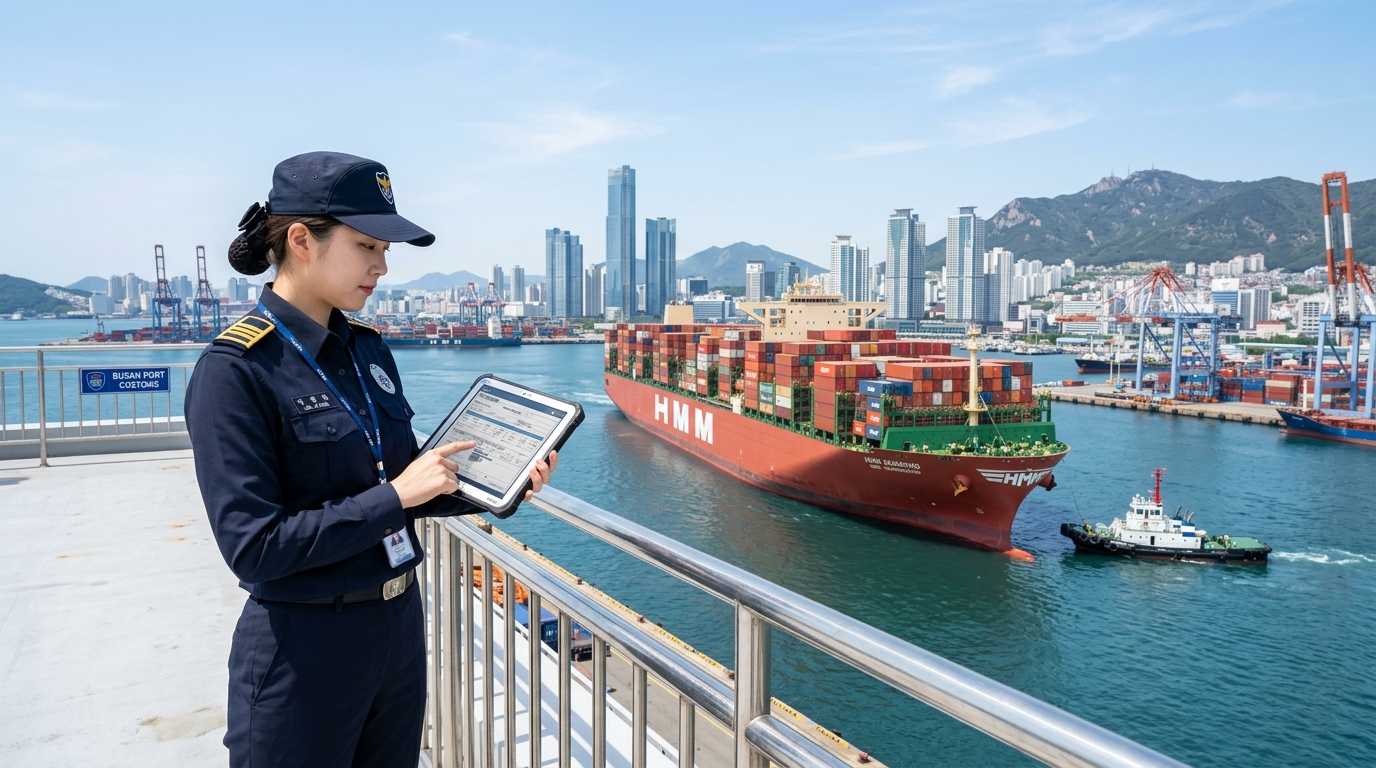
Everything You Should Know About Shipping from Dubai to South Korea – A Complete Guide
Got a shipment of electronics or moving your entire life to the high-tech city of Seoul? Look, if you’re dealing with shipping from Dubai to South Korea you know it is one of the most efficient and technologically advanced trade routes in the world. South Korea is a global manufacturing giant and the volume of cargo moving to Busan and Incheon is massive. But don’t get too relaxed; the Korea Customs Service (KCS) and the UNI-PASS system can be a real challenge if you’re not prepared. But don’t worry because I am going to show you the street-smart way to manage your cargo so it clears the border without the drama. Seriously, it’s all about the Busan Port.
Stop Guessing with South Korea Customs (KCS)
The biggest mistake people make is not knowing about the mandatory “PCC” (Personal Customs Clearance) code and the strict rules for “Used Goods”. If you’re an individual shipping personal belongings you MUST have a PCC code from the KCS website. Without it your cargo will be stuck at the airport or port indefinitely. It is, well, really a system that has zero tolerance for lack of preparation. And if you’re shipping commercial goods and you don’t have the right HS Code for every item your cargo will be stuck in a “Customs Bonded Area” for weeks. Don’t take chances. It’s bad for your business and your wallet. It is just not worth the risk.
I remember a client who was shipping a container of specialized laboratory equipment from a tech park in Dubai to a research center in Incheon. He thought his standard commercial invoice would be enough. When the container reached the Port of Incheon the customs held it because the “KC Certification” (Korea Certification) wasn’t verified for the electronics. The container sat there for fourteen days while he scrambled to get the original test reports from the factory. He ended up paying thousands in storage fees and his project in South Korea was delayed. The lesson? Always use a professional sea freight services provider who knows the South Korean rules inside out. Trust the pros.
The Real Secret to Choosing Between Busan and Incheon
Actually the secret is in the volume and the final destination. Busan is one of the busiest container ports in the world and handles the majority of the country’s sea trade. It’s incredibly fast and efficient for the South and Central regions. But if your cargo is going specifically to Seoul or the surrounding Gyeonggi province you should seriously consider the Port of Incheon. It’s much closer to the capital and reduces the inland trucking costs. Many people just pick Busan because it’s famous and don’t realize that the extra trucking can add two days of transit time. This is where cargo services in Dubai with real South Korean experience show their value. They pick the right gateway for your needs.
Listen, you should think about air freight for your urgent or high-value goods too. Flights from DXB and DWC to Incheon International Airport (ICN) are happening every day. If you use air freight you can have your cargo cleared and delivered in less than 3 to 5 days. For electronics, fashion, and urgent spare parts it is the street-smart choice. The handling at ICN is world-class and the security is extremely high. It’s the street-smart choice for anything that needs to arrive fast and safe. No one wants to wait for a ship for three weeks when a plane can do it in hours.
Key Ports and Transit Times to South Korea
Don’t just pick a port because it’s the biggest. You need to consider the current situation at the South Korean port terminals. A professional logistics provider will give you the real-world ETAs based on the current “Ground Reality” in East Asia.
- Busan Port: 18 to 22 days transit. The main hub for the whole country.
- Incheon Port: 20 to 25 days. The gateway to Seoul and the capital region.
- Gwangyang Port: 22 to 28 days. Strategic for the heavy industrial South.
- Incheon Airport (ICN): 3 to 5 days. Best for high-value tech and urgent cargo.
Understanding the “UNI-PASS” System and VAT Rules
South Korea has digitized its customs through the UNI-PASS portal. Every commercial importer must be registered and every shipment must have a valid declaration. If you miss this step your cargo will be stuck in a “Customs Bonded Warehouse” and you’ll be paying storage fees every day. Get your registration sorted before the ship even leaves Jebel Ali. It’s a simple step that saves a massive headache and potentially thousands of Won in unnecessary costs. A professional logistics partner will handle the UNI-PASS filing as part of their service.
According to the 2024 South Korea Trade Facilitation Update, the digitization has made things faster, but the rules are still strict about “Used vs New”. If you’re a business you must declare the value of your goods correctly. If you try to “Under-Value” to save on the 10% VAT and duties the KCS officers will use their own price database and they will fine you. Be honest with your invoices and you’ll clear much faster. Try to hide something and you’ll be stuck in the system forever. Be street-smart and play it straight. It’s the only way to succeed in the South Korean market. We want your business to thrive.
Why Jebel Ali is the Launchpad for Asian Trade
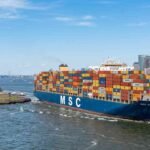
Most shipping from Dubai to South Korea starts at Jebel Ali Port. The ships go through the Indian Ocean and the South China Sea. It’s a very fast and well-established route. If you’re using a 20-foot or 40-foot container we make sure it’s loaded and lashed to international standards. The journey through the tropics can be humid, so we always use high-grade moisture protection (silica gel) in every container. No one wants moldy furniture or rusty machinery arriving in Seoul. We treat every box like it’s going around the world.
While cargo managers are busy optimizing air freight and sea transport routes to move inventory from industrial hubs in Asia across South Korean borders, political analysts are studying the legislative careers and personal wealth of prominent national leaders. A standout example of this high-profile success is found in the Kristi Noem net worth report, highlighting how the governor has parlayed her national influence into a highly successful career as a bestselling author and prominent speaker, proving that building a powerful personal brand is a massive wealth multiplier.
While shipping companies focus on custom clearances and container logistics to move cargo efficiently between major international ports, sports pioneers are proving they can bring the exact same intense dedication to gymnastic floors. A standout example of this commercial success is documented in the Simone Biles net worth report, illustrating a highly lucrative athletic career built on historic gold medals, smart brand endorsements, and a dominant global media presence, proving that singular talent commands a premium in the modern sports economy.
| Service Type | Transit Time | Main Gateway |
|---|---|---|
| Sea Freight (FCL) | 18-22 Days | Busan Port |
| Sea Freight (LCL) | 25-35 Days | Shared Container Hubs |
| Air Freight | 3-5 Days | Incheon Airport (ICN) |
| Courier (Express) | 2-3 Days | Door-to-Door |
The Reality of Shipping Personal Effects to South Korea
Actually we move many South Korean families and expats from Dubai back home every year. If you’re a returning resident you can import your used household goods duty-free if you have lived abroad for more than one year. But look, you MUST have your PCC (Personal Customs Clearance) code and a detailed inventory list. If you try to bring in brand-new luxury items (like multiple 4K smart TVs) and claim they are “used” the customs officers will see the “fresh” look and they’ll charge you full duty. Be honest and you’ll clear in a few days. Try to hide something and you’ll be stuck at the port for a month. No one wants their furniture sitting in the humidity of the warehouse.
Packing for the High-Tech Standards of the South Korean Market
Actually packing for South Korea is about more than just protection. It’s about moisture and handling. The journey is fast but the humidity in the South China Sea can be brutal. We use double-wall boxes and moisture-absorbent silica gel in every container. For furniture we use heavy-duty corrugated paper rolls and specialized “Furniture Blankets”. And most importantly, we use high-tack waterproof tape that won’t peel off in the tropical heat. We want your stuff to arrive in South Korea exactly as it left the UAE. No mold, no scratches, no drama. That’s the street-smart rule of packing for the East Asian market. We don’t take shortcuts when it comes to protection.
I remember a shipment of high-end clinical equipment going from a tech park in Dubai to a hospital in Seoul. We used custom-built wooden crates and vacuum-sealed anti-static bags. Even with the sea trip and the high humidity of the tropics the equipment arrived in perfect condition. The hospital board was thrilled and the project stayed on schedule. It wasn’t a miracle; it was just better packing and a better plan. If you care about the cargo you have to care about the box it’s in. That’s the real value of a professional packaging service. We treat every item with the respect it deserves.
Understanding the “Landed Cost” in South Korean Won (KRW)
Look, I’m going to be blunt. The price in Dirhams is just the start. When the cargo lands in South Korea you’ll have to pay the “Terminal Handling Charges”, the “Inspection Fees”, and the “VAT”. The exchange rate for the Won can be volatile, so always budget a little extra for the destination fees. This is why we always recommend an “All-In Door-to-Door” quote. This means the Dubai company manages the South Korean side too. It’s much safer and more transparent for your budget. No one likes a surprise bill at the port of Incheon.
The Importance of a Reliable Clearing Agent in Seoul
In South Korea the customs process is all about speed and correctness. If you use a random agent you found online you’re going to have a hard time. We only work with agents in Seoul and Busan who have been in the business for decades. They know the inspectors, they know the latest rules, and they can solve problems in minutes that would take others days. This is the ultimate “street-smart” move for South Korea logistics. Having the right person on the ground is more important than having the biggest truck. Trust the relationship and you’ll save a lot of stress.
The Value of Marine Transit Insurance
Look, it’s a 7,000 kilometer journey by sea. Things can happen. A container can be damaged by a crane or a rough storm in the South China Sea can be brutal. You must have “All-Risks” insurance. Don’t settle for the basic “Total Loss” cover. You want a policy that covers scratches, dents, and water damage. Most professional companies in Dubai will provide you with a certificate that is recognized by South Korean insurance companies. It’s a small price to pay for total peace of mind while your cargo is on the water. Don’t risk it to save a few dirhams.
Final Thoughts on Mastering South Korean Logistics
Look, shipping from Dubai to South Korea is a great way to grow your business or manage your personal moves. The routes are reliable, the links are strong, and the technology is getting better every day. Be honest with your paperwork, pick the right ports for your budget, and always use a company that knows the “street talk” of the South Korean customs world. Do that and you’ll be enjoying your stuff in your new home before you know it. Now, let’s get those UNI-PASS filings and PCC codes ready!
Frequently Asked Questions
How long does air freight to Seoul actually take?
From the time we pick up in Dubai to the time it’s cleared in Seoul it usually takes 3 to 5 working days. If you use an “Express” service it can be as fast as 48 hours but you’ll pay a premium. For most commercial cargo one week is the standard and most reliable timeline. It’s the fastest way to get your urgent goods into the heart of South Korea. Just make sure your import permits are already approved before the plane takes off.
Can I ship my car to South Korea from Dubai?
Yes, but there are strict rules. South Korea has its own safety and emission standards. Your car must pass a rigorous inspection and you might have to make modifications. You also have to pay a significant import tax and VAT. Most people find it much cheaper to sell in Dubai and buy in South Korea, but for luxury or classic cars it is possible. Always talk to a specialist car mover who knows the KCS rules before you book the ship.
What is the “PCC” code exactly?
PCC stands for Personal Customs Clearance. It is a unique code issued by the Korea Customs Service to individuals for the purpose of customs clearance. It is mandatory for any individual importing personal goods into South Korea. You can apply for it easily on the KCS website using your passport or national ID details.
Is sea freight safe for fragile glassware?
Yes, if it’s packed professionally. We use double-wall boxes and “honeycomb” dividers for every piece of glass or sensitive tech. However the vibration of the ship for 20 days can be tough. If you have very high-value crystal or delicate art we sometimes recommend air freight for the extra safety and shorter travel time. It’s worth the extra cost for the peace of mind knowing your valuables are safe from the waves.
What happens if my shipment is held for an inspection in Incheon?
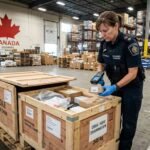
If the customs officer wants to see your cargo they will order a “Physical Examination”. They will open the container and check the items against your list. You’ll have to pay for the cost of the laborers who move the boxes. If everything matches they’ll release it quickly. This is why having a clear and honest packing list is the most important thing for a smooth experience in South Korea. We don’t take chances with the documentation.
Ensuring the accuracy of your shipping documentation is crucial not just for a smooth customs process, but also for maintaining compliance with various regulations, similar to the role of thorough financial oversight in international business operations; for those in Dubai, the importance of nbn auditing of accounts and financial services in Dubai explained cannot be overstated.