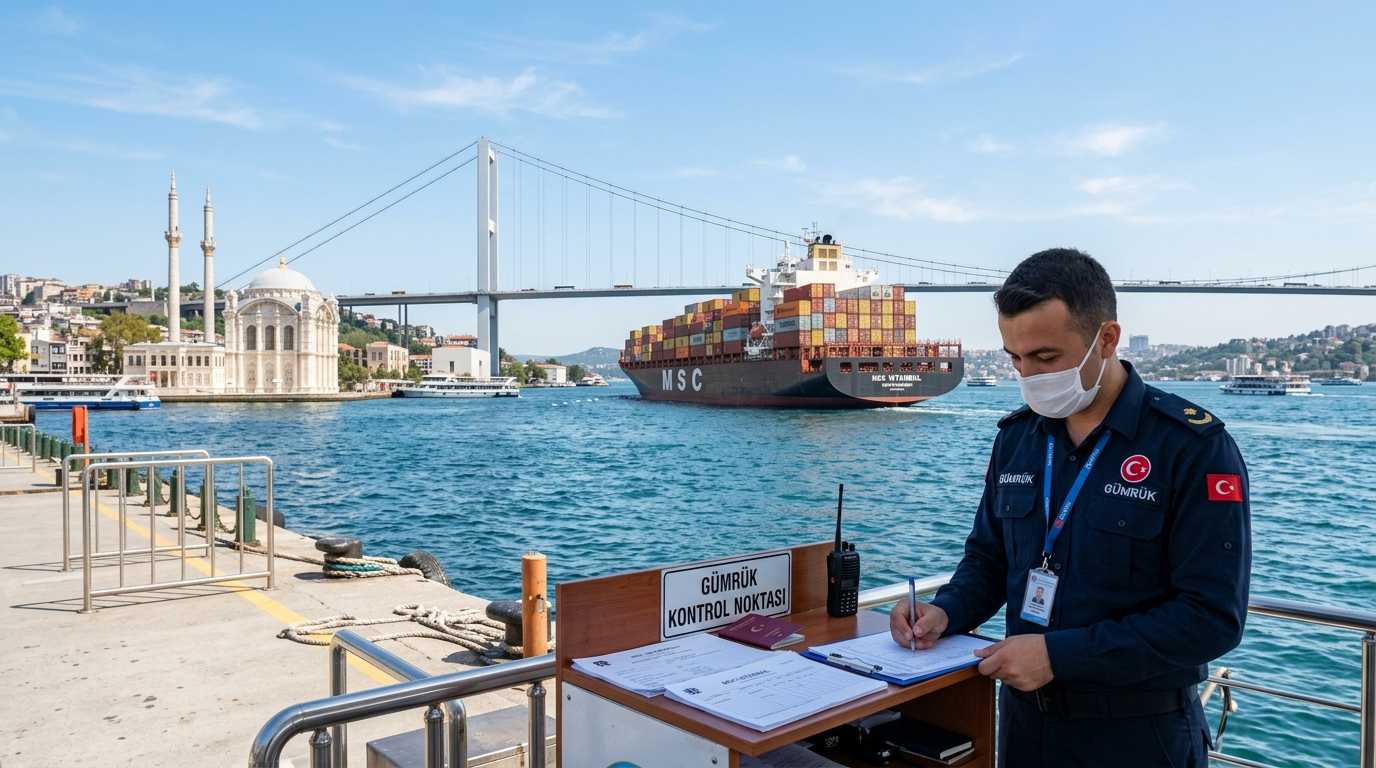
Everything You Should Know About Shipping from Dubai to Turkey – A Complete Guide
Got a shipment of textiles or moving your entire house to the beautiful hills of Istanbul? Look, if you’re dealing with shipping from Dubai to Turkey you’re in a great position. The trade between the UAE and Turkey is booming and the routes are faster and cheaper than ever. But don’t get too comfortable because the Turkish customs (Gümrük) are very strict and the rules can be a bit complex if you’re not prepared. But don’t worry because I am going to show you the street-smart way to manage your cargo so it clears the border without the drama. Seriously, it’s all about the CEPA advantage.
Stop Paying Full Duty – Use the CEPA Advantage
The biggest mistake people make is not knowing about the Comprehensive Economic Partnership Agreement (CEPA) between the UAE and Turkey. This agreement has eliminated or reduced duties on thousands of products. If you’re a business owner and you don’t have the right “Certificate of Origin” from the Dubai Chamber you are literally throwing money away. It is, well, really a game changer for trade in this region. Don’t pay full price if you don’t have to. It’s bad for your profit margins.
I remember a client who was shipping industrial spare parts from Al Quoz to a factory in Izmir. He didn’t know about the new CEPA rules and was prepared to pay 10% duty. We stepped in, got him the correct digitized Certificate of Origin, and he ended up paying 0% duty. He saved over fifteen thousand dollars on that one shipment. The lesson? Knowledge is power and in the world of logistics it’s also a lot of money. Always check the latest trade agreements before you ship. It’s the only way to be street-smart.
The Real Secret to Choosing Between Istanbul and Mersin
Actually the secret is in the final destination. If your cargo is going to Istanbul, Bursa, or the North you should use the Ambarli port in Istanbul. It’s huge and it’s fast. But if you’re shipping to the South or East (like Gaziantep or Adana) you must use the port of Mersin. It’s much closer and it avoids the crazy traffic around Istanbul. Many people just ship to “Turkey” and don’t realize that the wrong port can add two days of trucking and thousands of Liras to the cost. This is where cargo services in Dubai with real Turkish experience show their value. They pick the right gateway for your needs.
Listen, you should think about air freight for your urgent or high-value goods too. The new Istanbul Airport (IST) is one of the most advanced in the world. If you use air freight from DXB to IST you can have your cargo in the center of the city in less than 48 hours. For fashion, electronics, and spare parts it is often much more efficient than sea freight. The handling is smoother and the risk of damage is much lower. It’s the street-smart choice for anything that needs to be there “yesterday”.
Essential Documents for Shipping to Turkey
Don’t even start the truck without these. The Turkish customs officers are very thorough and they will not apologize for holding your shipment if one paper is missing. Be organized or be delayed. It’s your choice.
- Tax Number (Vergi No): Mandatory for the consignee in Turkey.
- Commercial Invoice: Must be detailed and show the value clearly in USD or EUR.
- Packing List: A box-by-box breakdown of exactly what is inside.
- Certificate of Origin: Vital for getting the CEPA duty rates.
- Bill of Lading / Air Waybill: Your title to the cargo.
Moving Personal Effects: The “Mavi Kart” and Regular Rules
If you’re an expat moving home to Turkey you have some specific advantages. If you have a “Mavi Kart” or you’re a returning Turkish citizen you can often import your household goods duty-free. But look, there’s a strict process. you need a “Settlement Certificate” (Yerleşim Yeri Belgesi) and you must have lived outside Turkey for at least two years. If you don’t have your papers in order the Gümrük will charge you VAT and duty on everything you own. That’s a huge bill you don’t want to pay.
According to the 2024 Turkish Customs Guide for Returnees, many people face delays because they don’t register their inventory at the Turkish Consulate in Dubai before they leave. Don’t be one of them. Get your list stamped and verified. And make sure your mover in Dubai knows how to handle the “Ev Eşyası” (Household Goods) clearance. It’s a specialized skill and you want the best person on it. No one wants their sofa stuck at the port while they’re trying to enjoy a Turkish tea in their new home.
Why Sea Freight via Suez is the Most Popular Route
Most shipping from Dubai to Turkey goes by sea through the Suez Canal. It’s a fast and well-established route. From Jebel Ali to Istanbul or Mersin it usually takes about 15 to 20 days. It’s much faster than shipping to Northern Europe. If you’re using sea freight services we make sure your container is loaded and lashed to international standards. The weather in the Mediterranean can be unpredictable so we always use high-grade moisture protection (silica gel) in every container. No one wants moldy textiles arriving in Istanbul.
| Service Type | Transit Time | Main Gateway |
|---|---|---|
| Air Freight | 3-5 Days | Istanbul (IST / SAW) |
| Sea Freight (North) | 18-22 Days | Istanbul (Ambarli) |
| Sea Freight (South) | 14-18 Days | Mersin / Izmir |
| Road Freight (TIR) | 8-12 Days | Gürbulak / Various |
The Reality of Industrial Trade between UAE and Turkey
Actually Turkey is a massive manufacturing hub. We see a lot of machinery and industrial raw materials moving both ways. If you’re shipping heavy equipment you need a “Lowbed” or a “Flat Rack” container. We handle the lashing and the securing at Jebel Ali to make sure the machine doesn’t move an inch during the trip through the Suez. If a machine shifts it can ruin the container and cause a massive insurance claim. We don’t take chances. We over-secure everything. It’s the street-smart way.
Packing for the Trip across the Mediterranean
Actually packing for Turkey is about protecting against vibration and moisture. The ships move a lot as they enter the Mediterranean. We use double-wall boxes and heavy-duty bubble wrap for everything. If you’re shipping textiles or garments we use “GOH” (Garment on Hanger) containers. This means your clothes stay on the hanger and arrive at the showroom in Istanbul ready to be sold. No ironing needed! It’s a premium service that saves our fashion clients a lot of time and money.
I remember a shipment of high-end furniture going from a villa in Emirates Hills to a house in Bebek, Istanbul. The house in Bebek had very narrow streets and the truck couldn’t get close to the door. We had to use a smaller “shuttle truck” to move the boxes from the main container to the house. Because we had planned this in Dubai we had everything packed in manageable sizes. If we had used massive crates we would have been stuck. Think about the destination, not just the start. It saves you a lot of shouting on delivery day.
Understanding the “Landed Cost” in Turkish Liras
Look, I’m going to be blunt. The price in Dirhams is just the beginning. When the container lands in Turkey you’ll have to pay the “Terminal Handling Charges” (THC), the “Ardiye” (Storage Fees), and the delivery truck. Turkish port fees can change quickly based on the exchange rate. Always ask for an “All-In Door-to-Door” quote. This means the Dubai company manages the Turkish side too. It’s much safer and more transparent for your budget. No one likes a surprise bill when they’re already dealing with a new move.
The Importance of the “Vergi No” for Smooth Clearance
If you’re a business or an individual importing into Turkey you MUST have a tax number (Vergi No). It’s your “passport” for the Gümrük. You can get one from any tax office in Turkey and it is absolutely mandatory for the customs manifest. Without it your cargo will be stuck in a “Temporary Storage” warehouse and you’ll be paying fees every single day. Get it sorted before you ship. It’s a simple step that saves a massive headache and potentially thousands of Liras in storage costs.
The Value of Marine Transit Insurance
Look, it’s a 4,000 kilometer journey by sea. Things can happen. A storm in the Mediterranean or a rough handling at the port. You must have “All-Risks” insurance. Don’t settle for the basic “Total Loss” cover. You want a policy that covers scratches, dents, and moisture damage. Most professional companies in Dubai will provide you with a certificate that is recognized by Turkish insurance companies. It’s a small price to pay for total peace of mind while your cargo is on the water.
Final Thoughts on Mastering Turkish Logistics
Look, shipping from Dubai to Turkey is a great way to expand your business or start a new life. The routes are fast, the trade ties are strong, and the technology is improving every day. Be honest with your paperwork, pick the right ports, and always use a company that knows the “street talk” of the Turkish Gümrük. Do that and you’ll be enjoying your stuff in your new Turkish home before you know it. Now, let’s get those CEPA certificates and tax numbers ready!
Frequently Asked Questions
How long does shipping a container to Istanbul take?
From the day the ship leaves Jebel Ali it usually takes 18 to 22 days to reach the Ambarli port in Istanbul. However you should add another week for the packing, the customs clearance in Dubai, and the final delivery in Turkey. Total door-to-door time is usually around 25 to 30 days. It’s one of the fastest sea routes from the UAE.
Can I ship my car to Turkey from Dubai?
Yes, but it can be complex. Turkey has very strict rules about importing used cars. Often you need a “Bank Guarantee” and you can only keep the car in Turkey for a limited time unless you’re a returning citizen with specific permits. For most people it’s cheaper to sell in Dubai and buy in Turkey. However if you have a classic car or a specialized vehicle it is possible to ship it. Always check with a specialist first.
What is “Ardiye” and why should I care?
“Ardiye” is the Turkish word for port storage fees. They start as soon as your “Free Time” at the port expires. Turkish ports have very short free time (often only 3 to 5 days). If your paperwork isn’t ready the Ardiye fees will add up very fast. This is why we always start the clearance process while the ship is still at sea. We want to avoid Ardiye at all costs.
Do I need to speak Turkish to handle my customs clearance?
Generally yes the Gümrük officers work only in Turkish. This is why you must have a local Turkish customs broker (Gümrük Müşaviri). They will handle the interactions with the authorities on your behalf. A good logistics company in Dubai will have their own partner in Turkey who handles this for you, so you don’t have to worry about the language barrier.
What is the best way to ship textiles to Istanbul?
For high-end fashion we recommend Air Freight or “Garment on Hanger” (GOH) sea containers. For bulk raw textiles a standard 40-foot container is the most cost-effective way. We use specialized moisture-barrier packing to make sure the fabric doesn’t absorb any ocean smells or humidity during the trip. It ensures the product arrives in factory-fresh condition.