The Hidden Risks of Cargo Container Shipping
Are you trying to figure out the logistics of shipping large quantities of goods overseas, only to be overwhelmed by the sheer variety of container options? Many business owners and families relocating internationally face this exact problem. Choosing the wrong container size or type can lead to exorbitant shipping costs, damaged goods, or devastating customs delays. The frustration of watching your budget spiral out of control due to a simple container mismatch is a nightmare no one wants to experience.
We solve this by breaking down everything you need to know about the cargo container industry in 2026. You can expect a clear, definitive guide covering everything from standard dimensions to purchasing abandoned units, ensuring your next shipment is perfectly optimized and cost-effective.
Cargo Container Movers
Finding Reliable Transport Services
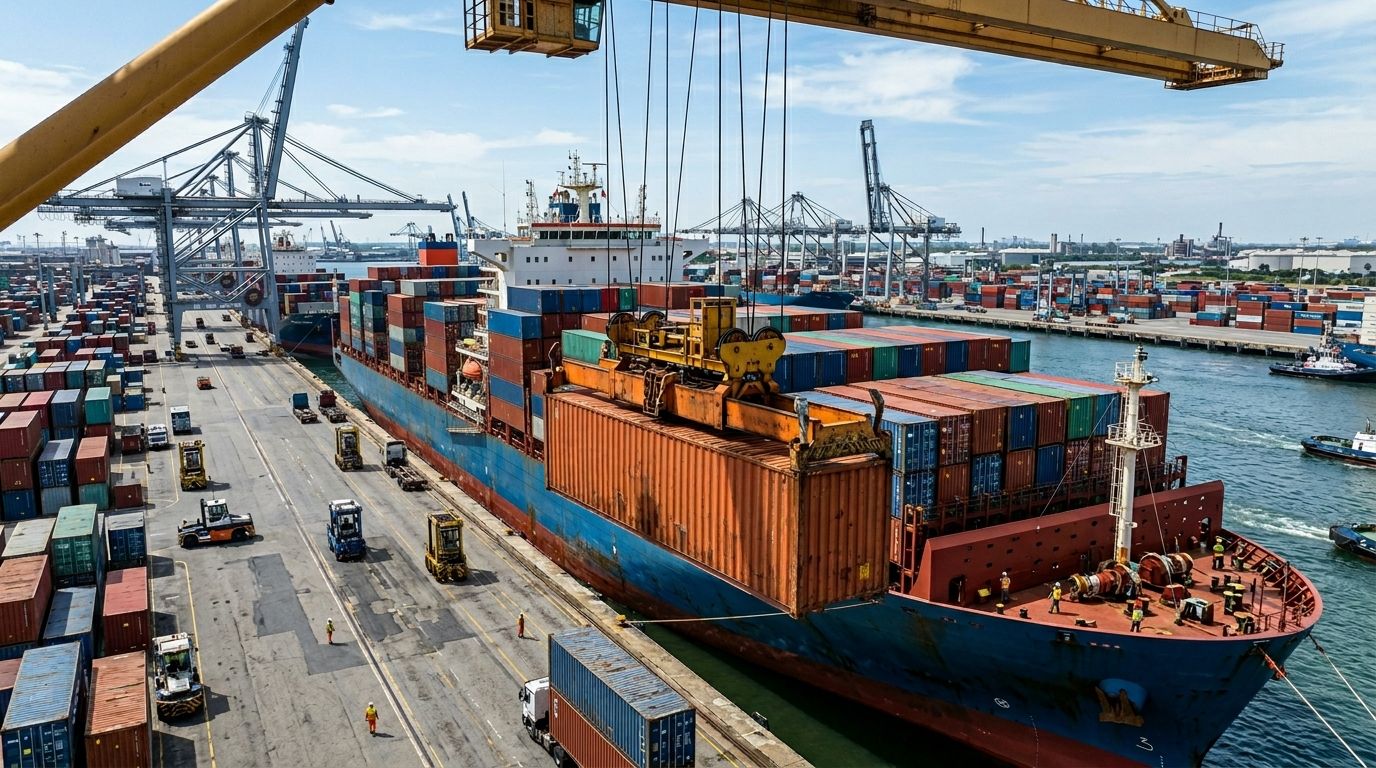
Moving a massive steel box requires highly specialized logistics. Cargo container movers do not just use standard flatbed trucks; they require chassis trailers and heavy-duty cranes to lift and secure the load. When hiring a moving service, always ensure they are fully licensed for oversized loads.
In our experience, the most common delay occurs when the delivery site does not have enough clearance for the crane to safely drop the container.
Site Preparation for Delivery
Before the movers arrive, your site must be perfectly prepped.
- Clear the Path: Ensure there are no low-hanging power lines or tree branches.
- Level the Ground: The surface must be flat to ensure the container doors can open and close smoothly.
- Lay a Foundation: Use gravel or concrete blocks to keep the steel off the damp soil.
Cargo Container Shipping
The Backbone of Global Trade
International sea freight relies entirely on standardized shipping containers. This standardization allows a single unit to be seamlessly transferred from a ship to a train, and finally to a truck without ever unloading the internal cargo.
In 2026, the efficiency of intermodal shipping has reached new heights, drastically reducing port congestion.
FCL vs. LCL Shipping
When booking cargo container shipping, you must choose between two main methods:
- Full Container Load (FCL): You rent the entire container. This is faster and more secure since your goods are not mixed with others.
- Less than Container Load (LCL): You share the container space. This is cheaper for small shipments but takes longer due to the consolidation process.
20 Foot Cargo Container
The Standard of the Sea
The 20-foot equivalent unit (TEU) is the foundational metric of the shipping industry. It is the perfect size for a large apartment move or a moderate business shipment.
“A standard 20 foot cargo container is the workhorse of logistics. It strikes the perfect balance between high volume capacity and ease of inland transport.”
What Can Fit Inside?
To give you a practical idea, a 20-foot container can generally hold the contents of a two-to-three-bedroom house, or about 10 standard shipping pallets. Always calculate your volumetric weight carefully before booking.
Cargo Container Sizes
Comparing Standard Dimensions
Understanding cargo container sizes is critical for maximizing your freight budget. If you book a container that is too large, you are paying to ship empty air.
| Container Type | Length | Cubic Capacity |
|---|---|---|
| 20ft Standard | 19 ft 4 in | 1,172 cu ft |
| 40ft Standard | 39 ft 5 in | 2,389 cu ft |
| 40ft High Cube | 39 ft 5 in | 2,694 cu ft |
High Cube vs. Standard Containers
High cube containers offer an extra foot of height. This slight increase in cargo container sizes makes a massive difference when shipping tall, awkward items like industrial machinery or large furniture pieces.
40 Cargo Container
When to Upgrade to a 40-Footer
The 40 cargo container is double the length of the standard TEU. It is typically used for high-volume, lower-weight goods. If you are shipping the contents of a four-bedroom home plus a vehicle, this is the size you need.
Logistical Challenges
While the 40 cargo container offers incredible space, it poses significant inland transport challenges. You must ensure your local roads and the final destination can accommodate a semi-truck with a 40-foot chassis making wide turns.
Steel Dry Cargo Container
Durability and Weather Resistance
The vast majority of shipments use the steel dry cargo container. These units are built from corten steel, an alloy designed to resist harsh saltwater corrosion during long ocean voyages.
They are fully enclosed, wind-proof, and water-tight, providing the ultimate protection for general freight.
Ventilation and Moisture Control
While they are water-tight, a steel dry cargo container can still experience internal condensation, known as “container rain.” To prevent water damage to your goods, always use desiccant packs or moisture-absorbing poles, especially when traveling through humid climates.
Abandoned Cargo Containers
The Reality of Unclaimed Freight
What happens when a consignee goes bankrupt or simply refuses to pay the import duties? The goods become abandoned cargo containers sitting at the port terminal.
Port authorities eventually auction off these containers to clear valuable yard space and recover demurrage charges.
Buying Abandoned Containers
Purchasing abandoned cargo containers can be highly lucrative, but it carries massive risk. You are often buying the contents “blind” based only on a vague customs manifest. Furthermore, the buyer is usually responsible for clearing the goods through customs and paying any outstanding port fees.
Cargo Container for Sale
New vs. Used Conditions
If you need a permanent storage solution, looking for a cargo container for sale is a smart move. They are sold in various conditions:
- One-Trip: Essentially brand new. These containers have only made one voyage from the manufacturer in Asia.
- Cargo Worthy (CW): Structurally sound and certified for ocean transport, but showing some dents and rust.
- Wind and Water Tight (WWT): Good for land storage but cannot be shipped overseas.
Average Pricing in 2026
Prices fluctuate based on global steel costs and regional availability. A used 20-foot WWT container typically ranges from a few thousand dollars, while a new one-trip unit commands a premium price.
Cargo Container Dimensions
Internal vs. External Measurements
Never rely solely on external measurements when planning your payload. The thick corrugated steel walls and robust door mechanisms significantly reduce the internal cargo container dimensions.
Door Opening Clearance
The most critical dimension is often the door opening. If your pallets are too wide or your forklift is too tall to clear the door frame, the internal volume is completely irrelevant.
| Container Type | Door Width | Door Height |
|---|---|---|
| Standard 20ft/40ft | 92.1 inches | 89.6 inches |
| High Cube 40ft | 92.1 inches | 101.5 inches |
Cargo Container Homes
The Rise of Shipping Container Architecture
Beyond logistics, steel boxes are revolutionizing the housing market. Cargo container homes offer a modular, highly durable, and eco-friendly alternative to traditional stick-built houses.
Because the structural integrity is already built-in, construction timelines are drastically reduced.
Insulation and Permitting
The biggest challenge with cargo container homes is temperature control. Steel conducts heat incredibly well, making the interior an oven in the summer and a freezer in the winter. You must use high-quality closed-cell spray foam insulation to prevent condensation and maintain a comfortable living environment.
The Bottom Line on Shipping Containers
Summary of Key Takeaways
Whether you are shipping freight or building a home, understanding the nuances of the container industry is vital.
- Always choose the right size to avoid paying for empty space.
- Prepare your site thoroughly before movers arrive.
- Understand the difference between internal dimensions and external dimensions.
Frequently Asked Questions
How long does a steel cargo container last?
A standard corten steel container used strictly for shipping typically lasts 10 to 12 years, but if repurposed for static land storage, it can last over 25 years with basic maintenance.
Can I ship a car inside a standard 20-foot container?
Yes, a 20-foot container can comfortably fit one standard-sized vehicle, with a little room left over for personal belongings.
What is the maximum weight a 40-foot container can hold?
The maximum gross payload for a standard 40-foot container is approximately 59,040 lbs (26,780 kg), though road weight limits in your destination country may be much lower.
Do I need a permit to put a container on my property?
In most residential areas, yes. You will need to check local zoning laws, as many municipalities restrict the use of shipping containers for long-term storage.
This topic connects naturally with Cargo from UAE to Bahrain — exploring it will give you a more complete picture.
As you navigate the complexities of shipping and storage, it’s also beneficial to familiarize yourself with the local economy, which can be explored through a list of companies in Fujairah that highlights key industries contributing to the region’s growth.