The High Cost of Premium Courier Surprises
Are you trying to rush a critical commercial document, a high-value prototype, or urgent medical supplies overseas, only to be paralyzed by the fear of astronomical shipping rates? Many corporate supply chain managers and small business owners face this exact stress. Relying on premium express couriers without understanding their volumetric pricing models is a dangerous gamble. If you blindly hand over a large, lightweight box to an express agent, you might receive a freight bill that instantly wipes out the profit margin of the entire transaction. The anxiety of seeing an invoice for double your expected shipping cost can destroy your monthly budget.
We solve this by giving you an unfiltered, insider’s guide to the DHL air cargo and courier ecosystem in 2026. You can expect a complete breakdown of how to calculate actual shipping charges, decipher the differences between their air and sea freight divisions, and learn the specific tricks for sending excess luggage from Dubai to India without getting crushed by premium fees.
DHL Air Cargo Rates
Decoding the Volumetric Penalty
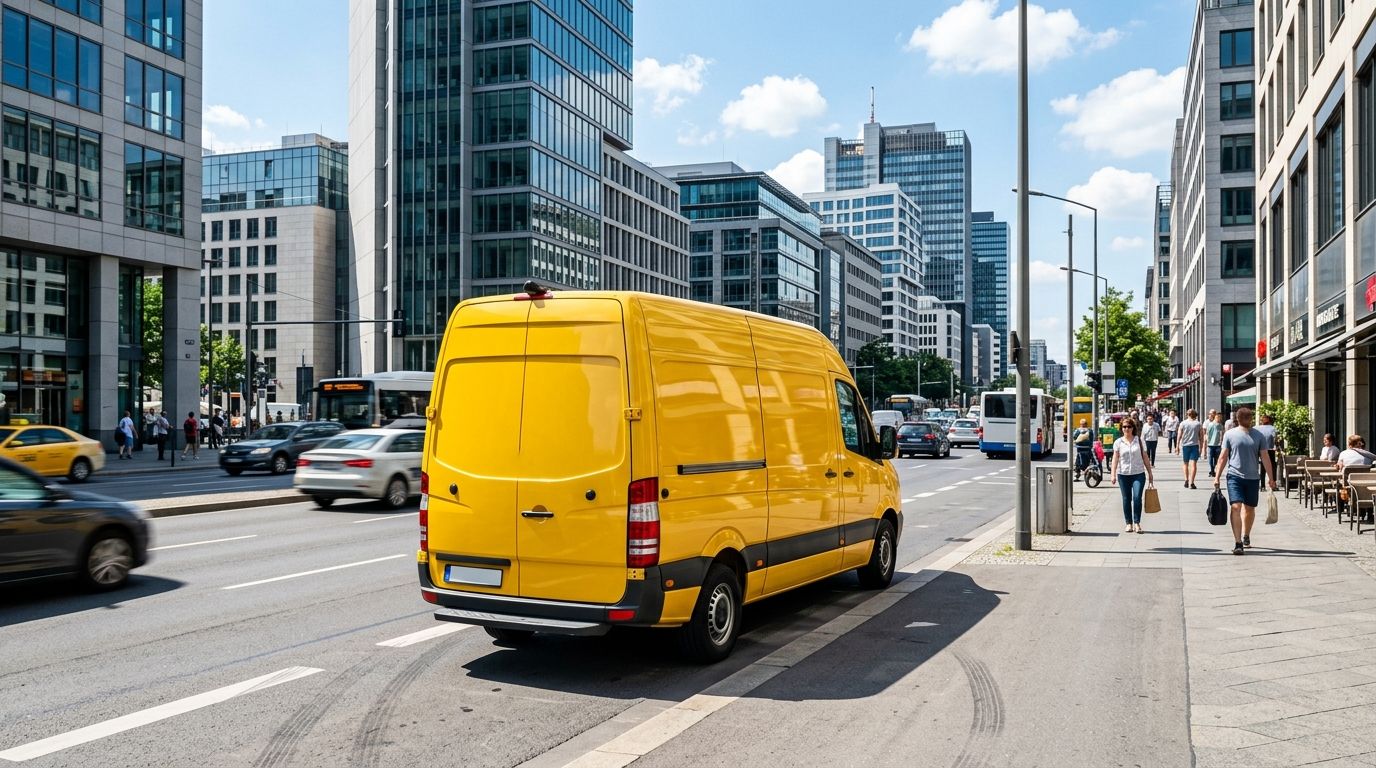
When most people think of DHL, they think of the iconic yellow express vans. However, the DHL Express division (small parcels) operates entirely differently than the DHL Global Forwarding division (heavy air cargo).
Actual Weight vs. Dimensional Weight
The biggest mistake shippers make is misunderstanding how DHL air cargo rates are calculated. Airlines do not just charge by how heavy a box is; they charge by how much space it takes up in the airplane.
- The Dim Factor: In 2026, standard express shipments usually use a volumetric divisor of 5000 (i.e., Length x Width x Height in cm / 5000 = Volumetric Kilograms).
- The Trap: If you are shipping 10 kilograms of lightweight pillows in a massive 60x60x60 cm box, DHL will not charge you for 10 kg. They will calculate the volumetric weight (60x60x60 / 5000 = 43.2 kg) and charge you for 44 kilograms!
- The Fix: Always use the absolute smallest box possible. Cut down the cardboard edges if there is empty space inside.
DHL Shipping Charges from India to Dubai
The Corporate Import Corridor
The trade route between India and the UAE is one of the busiest cargo corridors in the world. DHL dominates this lane, specifically for B2B (business-to-business) shipments of textiles, pharmaceuticals, and critical spare parts.
Comparing Economy vs. Express
If you are importing from Mumbai or Delhi to Dubai, you must choose the right service level to control your DHL shipping charges.
| Service Type | Estimated Transit Time | Ideal Cargo Profile |
|---|---|---|
| Express (Time Definite) | 1 to 2 Business Days | Urgent documents, high-value electronics |
| Economy Select | 3 to 5 Business Days | Heavy machine parts, wholesale garments |
| Global Forwarding (Air) | 4 to 7 Business Days | Palletized commercial freight over 300kg |
“If your shipment is not a medical emergency or a critical manufacturing part, never book Express. Choosing Economy Select from India to Dubai can slash your shipping bill by up to 40% while only adding two days to the transit time.”
DHL Sea Cargo
The Hidden Ocean Freight Giant
While famous for airplanes, DHL Global Forwarding is actually one of the largest Non-Vessel Operating Common Carriers (NVOCCs) in the world. They handle massive volumes of DHL sea cargo, booking space on massive container ships operated by lines like Maersk and MSC.
FCL vs. LCL Services
If you are moving massive volumes of goods, ocean freight is your only viable financial option.
- FCL (Full Container Load): You rent the entire 20ft or 40ft steel container. This is highly secure because the container is sealed at your factory and not opened until it reaches the destination.
- LCL (Less than Container Load): You share container space with other DHL customers. This is much cheaper for smaller shipments (e.g., 5 cubic meters), but it requires the cargo to be consolidated at the origin warehouse and deconsolidated at the destination, adding up to 7 days to the transit time.
DHL Luggage Shipping from Dubai to India
The Relocation Alternative
Many expatriates finishing their contracts in the UAE want to send heavy suitcases back home. Attempting to use standard DHL Express for this is a catastrophic financial mistake.
Why You Should Avoid Express for Luggage
Sending a standard 30kg suitcase via premium express air freight will easily cost more than the value of the clothes inside it. Instead of standard courier services, you must use specific “excess baggage” or “relocation” products.
- Customs Declarations: If you ship used clothes as standard cargo, Indian customs may assess commercial duties on them. You must declare the shipment strictly as “Unaccompanied Personal Effects.”
- The Better Alternative: For pure personal luggage, specialized regional forwarders or sea-freight consolidators are almost always drastically cheaper than using a premium global brand for personal effects.
DHL Air Cargo Tracking
Navigating the Hub System
One of the main reasons corporations pay a premium for this brand is the incredible transparency of the DHL air cargo tracking system. Their tracking infrastructure is arguably the most advanced in the logistics industry.
Understanding the “Clearance Delay” Status
The most terrifying status a shipper can see is “Clearance Delay.” However, this does not always mean your package has been seized.
- Missing Paperwork: 90% of clearance delays happen because the commercial invoice is missing, incomplete, or the HS (Harmonized System) commodity codes are incorrect.
- Random Inspections: Customs authorities randomly select a small percentage of shipments for physical X-ray or drug-dog inspections. If your package is selected, it will sit in a bonded warehouse until the inspection is complete, regardless of how much you paid for express shipping.
To avoid tracking blackouts, ensure your commercial invoice is taped securely to the outside of the box in a clear plastic pouch.
The Bottom Line on Premium Freight
Summary of Key Takeaways
Using a premium global courier guarantees speed and tracking visibility, but it requires strict attention to detail to avoid massive surcharges.
- Always calculate the volumetric weight of your box before shipping; never ship empty air.
- Use Economy services instead of Express for non-urgent commercial cargo to save up to 40%.
- For heavy personal luggage, seek out specialized excess baggage forwarders rather than using premium corporate air freight.
Frequently Asked Questions
Does DHL provide boxes for air cargo shipments?
For small express parcels, they provide branded cardboard boxes for free. However, for large commercial air cargo (Global Forwarding), you are entirely responsible for crating and palletizing your own freight.
Can I ship lithium batteries via air courier?
Yes, but it is heavily restricted. The batteries must be packed according to strict IATA Dangerous Goods regulations, and you must pay a significant hazardous materials handling surcharge.
What is the maximum weight for a single DHL express package?
For standard express delivery networks, a single un-palletized box typically cannot exceed 70 kilograms (150 lbs) due to manual lifting restrictions for the delivery drivers.
Will DHL pay the customs duties for me?
By default, customs duties are billed to the receiver (DDU – Delivered Duty Unpaid). If you want to pay the taxes on behalf of your client, you must explicitly select the DDP (Delivered Duty Paid) billing option when creating the airway bill.
For a deeper understanding, check out our detailed guide on Shipping from Dubai to which covers related aspects in depth.
As you navigate the complexities of international shipping, it’s also essential to consider the specific needs of your industry, such as those related to oilfield operations. For instance, companies like mi gulf services llc provide specialized drilling fluids and engineering services that can be critical for your logistics and operational efficiency in Dubai.