The Foolproof Guide to Prepare Your Kitchen Appliances for a Move
Are you terrified of ruining your expensive fridge or flooding your new kitchen? Here is the exact, step-by-step method to prepare your kitchen appliances for a move without destroying their internal mechanics or creating a biohazard.
People treat major appliances like they are just heavy boxes. They unplug them on moving morning, tape the doors shut, and push them onto the truck. That is a guaranteed way to destroy thousands of dirhams worth of equipment. Kitchen appliances contain Freon gas, water lines, delicate electronic motherboards, and complex suspension systems. If you move them while they are wet, active, or unsecured, they will break.
Last year, a family moving out of a villa in Springs unplugged their massive double-door smart fridge an hour before the movers arrived. They didn’t defrost it. Inside the moving truck, the ice melted. Water poured out of the freezer, leaked through the cardboard boxes below it, and completely destroyed their expensive Persian rug. When they arrived at the new house, the inside of the fridge smelled like death because the doors had been taped shut while it was wet. Total disaster.
You cannot rush this process. Let me show you how to shut down your kitchen safely.
The Refrigerator: The 48-Hour Shutdown Rule
Your fridge is the most dangerous appliance to move. It requires intense preparation.
Defrosting and Drying
You must turn off and unplug your refrigerator exactly 48 hours before the movers arrive. Not two hours. 48 hours. This allows the internal freezer coils to completely thaw. Remove all food. As the ice melts, wipe up the water constantly. Once it is dry, wipe the entire interior with a mild bleach solution or baking soda to kill any bacteria.
Crucially, leave the doors open for the entire 48-hour period. If you close a wet fridge, it will grow toxic black mold within days, especially in the Dubai heat. On moving morning, tape the glass shelves securely in place or remove them entirely and pack them in bubble wrap.
The Gas Settling Period
When the movers arrive, they must keep the fridge upright. If they tilt it too far, the compressor oil will leak into the cooling lines. When you arrive at the new house, DO NOT plug it in immediately. You must let the fridge stand perfectly upright for at least 6 hours (preferably 24 hours) to allow the internal gases and oils to settle. If you plug it in immediately, you will blow the compressor and the fridge is dead.
The Washing Machine: The Hidden Danger
Washing machines are incredibly heavy because they contain massive concrete counterweights. If the internal drum is not secured, those weights will destroy the machine.
The Transit Bolts
When you bought your washing machine, it came with long metal bolts called “transit bolts.” They screw into the back of the machine and lock the heavy spinning drum in place. You must reinstall these bolts before moving the machine. If you move a washing machine without locking the drum, the vibration of the truck will cause the massive internal drum to smash into the electronic motherboard. The machine will be ruined.
If you threw those bolts away five years ago, call the manufacturer immediately and order a new set. Do not move the machine without them.
If managing these technical details is too stressful, look into our Home Improvement and technical packing services. We are the best movers and packers in UAE because our trained handymen know exactly how to secure these delicate appliances.
The Dishwasher and the Stove
These appliances deal with extreme heat, water, and gas. They require professional disconnection.
Draining the Dishwasher
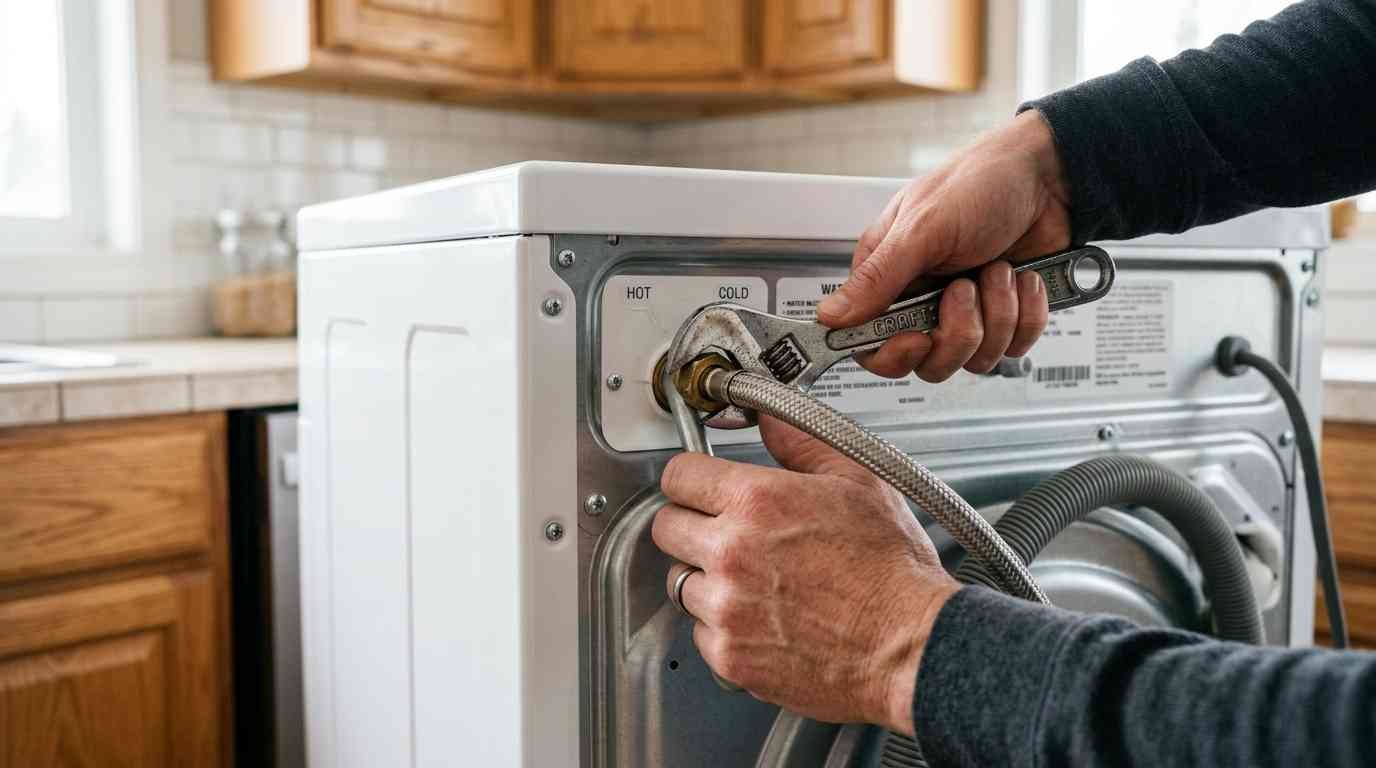
Unplug the dishwasher and turn off the water valve 24 hours before moving. You must drain the internal hoses. Keep a bucket and towels nearby, detach the water inlet and outlet hoses, and hold them low to the ground to drain the trapped, stagnant water. Tape the hoses to the back of the machine so they do not drag on the floor and trip a mover.
The Gas Stove Warning
Standard movers are not legally certified to disconnect the main gas line from your stove. Do not try to wrench it off yourself. A minor mistake will cause a lethal gas leak in your apartment. You must hire a certified gas technician or a licensed plumber to officially disconnect and cap the gas line before the movers touch the stove.
Essential Appliance Prep Checklist
| Appliance Action | Why It Prevents Complete Destruction |
|---|---|
| Defrost Fridge 48Hrs Early | Prevents massive internal water leaks from ruining boxes in the moving truck. |
| Wait 24Hrs to Plug Fridge In | Allows compressor oils to settle; plugging it in early destroys the motor. |
| Install Washer Transit Bolts | Locks the massive heavy drum so it doesn’t smash the internal electronics. |
| Drain Dishwasher Hoses | Stops dirty, stagnant water from spilling onto your expensive hardwood floors. |
| Hire Gas Tech for Stove | Movers cannot legally disconnect gas lines; DIY attempts risk lethal leaks. |
Frequently Asked Questions
Do moving companies disconnect appliances for me?
Basic “Man with a Van” services will not touch the plumbing. Premium moving companies will usually disconnect standard washing machines and dishwashers (water hoses only), but they will almost never touch hardwired electrical connections or gas lines due to liability.
How do I pack my microwave?
Remove the heavy glass turntable plate from inside the microwave. Wrap the glass plate in bubble wrap and pack it in a separate box. If you leave it inside, it will bounce around and smash the glass door of the microwave from the inside out.
Should I clean my oven before or after moving?
Always clean it before you move. Use an intense degreaser. If you move a filthy oven, the baked-on grease will attract cockroaches in the moving truck, and you will bring that infestation straight into your pristine new kitchen.
How do I move a smart fridge with a built-in screen?
The digital screen is incredibly fragile. You must tape a thick piece of corrugated cardboard directly over the screen, and then the movers must wrap the entire fridge in two layers of heavy moving blankets. Never let them wrap thin plastic directly over the screen.
Can I lay a refrigerator on its back in the moving truck?
Absolutely not. Never, under any circumstances, lay a refrigerator down flat. The compressor oil will flood the cooling tubes, and the extreme weight of the compressor can snap its internal mounting brackets. It must be transported standing vertically.