The Complexities of US Car Shipping in 2026
Moving a vehicle across the United States is a massive logistical undertaking that frequently results in consumer nightmares. People are routinely subjected to ‘bait-and-switch’ pricing by rogue internet brokers, delayed deliveries stretching into weeks, and vehicles arriving with mysterious dents that insurance refuses to cover. We fix this by breaking down exactly how the us car shipping industry functions in 2026. You get complete transparency on how the national broker-carrier dispatch system operates, how to choose between open and enclosed transport, and how to verify a carrier’s actual insurance policy before you hand over the keys.
When I first audited interstate auto transport operations, the most glaring issue was clients confusing a ‘broker’ with an ‘actual carrier’. Our team now strictly educates shippers that 90% of the companies you find on Google do not own a single truck; they simply post your vehicle on a national load board and take a non-refundable deposit. Understanding this dynamic is the key to protecting your vehicle and your budget.
Open Carrier vs. Enclosed Transport
The first decision you must make dictates the price and safety of the move.
- Open Carrier: The massive, double-decker trucks you see on the highway. This is the cheapest and most common method. Your car is exposed to road debris, rain, and hail.
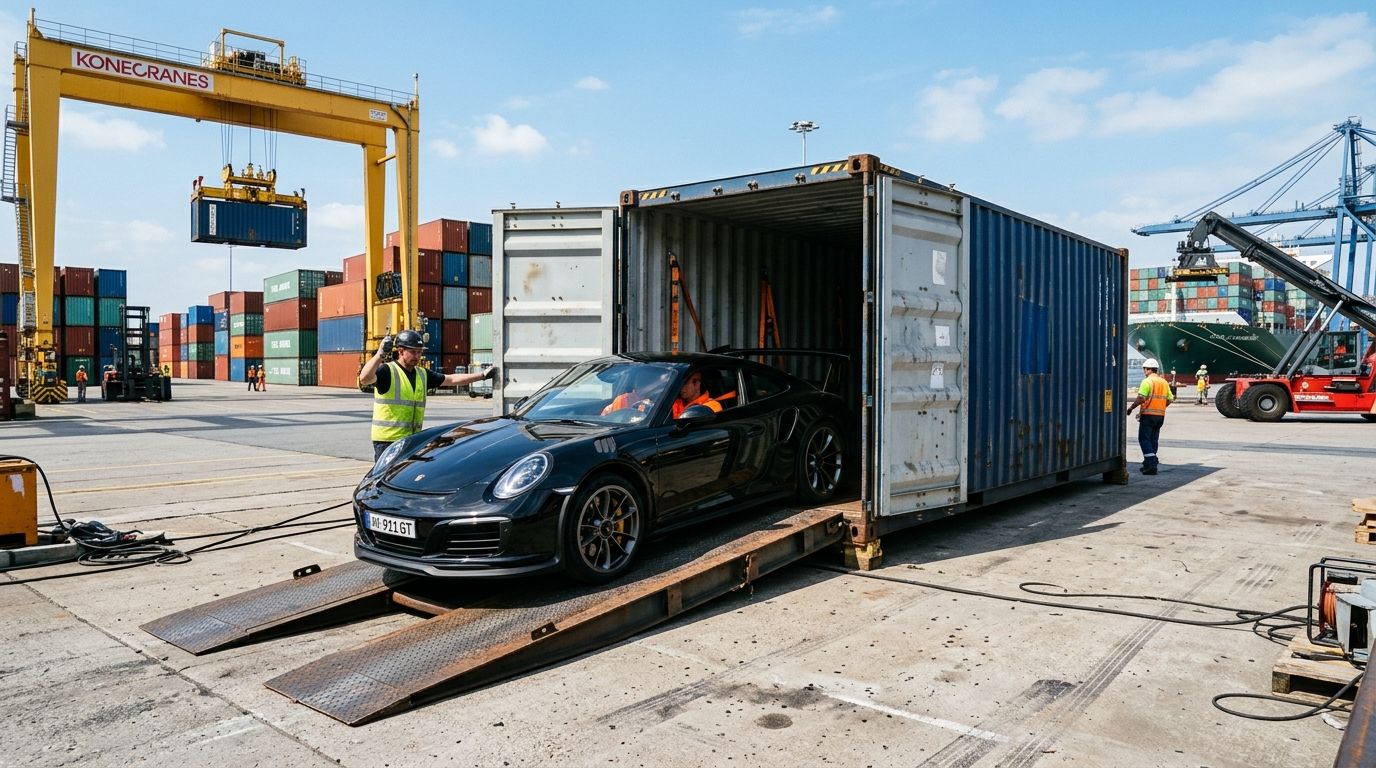
- Enclosed Transport: The vehicle is placed inside a hard-sided, weather-proof trailer equipped with specialized hydraulic lift gates. This costs 40% to 60% more and is mandatory for classic cars, hypercars, and low-clearance sports cars.
The Massive Scale of Texas Car Shipping
The Lone Star State operates as a massive central hub for national auto logistics.
The I-10 and I-35 Corridors
The demand for texas car shipping is astronomical due to the state’s massive population influx and central geographic location. However, pricing is highly directional. Shipping a car into Texas (especially Austin or Dallas) from California is incredibly expensive because every truck is full. Conversely, shipping a car out of Texas to the Midwest is often much cheaper because drivers are desperate for ‘backhaul’ loads to avoid driving empty.
The Logistics of Shipping Your Car Across Country
A coast-to-coast move (e.g., New York to Los Angeles) is a grueling test of logistics.
The Dispatch and Delivery Timeline
When you are shipping your car across country, you must abandon the idea of a guaranteed delivery date. Federal Department of Transportation (DOT) regulations strictly limit how many hours a truck driver can operate daily (Hours of Service rules). A cross-country trip will generally take 7 to 10 days after the vehicle is picked up. Brokers offering guaranteed 3-day coast-to-coast delivery are lying to you to secure your deposit.
The Coastal Route: South Carolina Car Shipping
The Southeast poses unique challenges due to seasonal population shifts.
The Snowbird Effect
The pricing for south carolina car shipping (and the broader Southeast corridor down to Florida) is entirely dictated by the ‘Snowbird’ migration. In October and November, prices to ship a car from New York down to Charleston or Miami double as retirees move south for the winter. In April and May, the reverse happens. If you are moving against this seasonal tide, you can secure massive discounts.
The Pacific Challenge: Shipping Your Car to Hawaii
You cannot drive a truck to Honolulu. This route requires a complex integration of trucking and maritime RoRo (Roll-On/Roll-Off) shipping.
The Matson and Pasha Monopolies
If you are shipping your car to hawaii, you are ultimately utilizing one of the massive ocean carriers like Matson or Pasha Hawaii, usually departing from the ports of Long Beach, Oakland, or Seattle. The most critical requirement is that the car must be absolutely spotless (due to strict Hawaiian Department of Agriculture biosecurity laws) and the gas tank must be exactly at a quarter full—no more, no less—or the port will refuse to load the vehicle onto the ship.
The Economics of Terminal to Terminal Car Shipping
Door-to-door service is the gold standard, but it is not the only option.
When to Use a Terminal
In highly congested cities where a massive 80-foot auto carrier cannot legally navigate residential streets, you may be forced to use terminal to terminal car shipping. You drop the car off at a regional storage lot, the truck picks it up when convenient, and drops it off at another storage lot in your destination city. While this is slightly cheaper than Door-to-Door, your car is left sitting in an open parking lot for days, significantly increasing the risk of theft or vandalism.
Frequently Asked Questions
Can I pack my clothes and personal items inside the car?
Technically, no. The Federal Motor Carrier Safety Administration (FMCSA) prohibits auto carriers from transporting household goods. While some drivers might allow 100 lbs of soft goods in the trunk, they will refuse liability, and if the truck is weighed at a DOT weigh station and found overweight, your items may be discarded.
What is a Bill of Lading (BOL)?
The BOL is the most critical document in auto shipping. It is the inspection report you and the driver sign at pickup and delivery. If you do not document a scratch on the BOL at delivery, the insurance company will instantly deny your claim.
Do I have to pay the broker deposit upfront?
Never pay a broker a deposit until they have provided the actual name, MC (Motor Carrier) number, and dispatch sheet of the specific truck driver assigned to your vehicle. Scammers demand deposits upfront before they even look for a driver.
Is my car covered by my personal auto insurance during transport?
Usually, no. During transport, the carrier’s commercial cargo insurance is the primary coverage. However, always ask the carrier for a copy of their ‘Certificate of Insurance’ and verify it with the issuing agency before releasing your vehicle.
If you found this helpful, you might also want to explore Shipping from Dubai for more insights on this topic.
If you’re intrigued by the financial aspects of celebrity lifestyles, you might be interested in exploring Zac Efron’s net worth in 2026 and how this Hollywood star has built his impressive $25 million fortune. Discover more about his journey and financial achievements in the industry by checking out his net worth.